A persistent learning runtime for AI agents.
MS Duplex is defining a new category.
MS Duplex turns a temporary assistant, bound to one model, into a system that learns from the work, keeps its context, enforces your rules, gets better with your tools, shares what it learns with permission and moves between model providers without losing it: the Agent Operating System powered by Runtime Intelligence.




The layer that binds it all.
Today’s AI splits intelligence across three layers: the model reasons, retrieval supplies documents and memories, and application code runs workflows, permissions and tools. None of them learns from the work. MS Duplex binds them into one system that learns from everything your agents do and keeps it for as long as you run it.
The model reasons about the task, and forgets it when the task is done.


Why MS Duplex is an Agent Operating System.
MS Duplex is the Agent Operating System powered by Runtime Intelligence: the layer every agent runs on, whichever model it uses. It coordinates everything a goal needs: the plan, the options, the decision, your approvals, the work in your tools and the check on the result. It carries each agent’s context, keeps long work going through pauses and change, keeps one history of every step and learns from what was verified.
Agents have become long-running software.
An agent now works for hours or days, across sessions, apps and people. Work that runs that long needs context, rules and a record that outlive one session.
Every agent rebuilds the same layer.
Without MS Duplex, memory, rules, tool connections and records live in each agent’s own code. None of it learns, and all of it starts over when the model, the client or the vendor changes.
MS Duplex ends that, with one layer beneath them all.
The model will change.
A new version, a new vendor: the model beneath an agent will change. MS Duplex keeps what your agents learned, so the model can change beneath them and the work carries on.
01 · One layer
MS Duplex — The Agent Operating System powered by Runtime Intelligence.
Every agent runs on it, whichever model it uses. Rent the model. Own the intelligence.
What MS Duplex gives every agent, whichever model it uses.
- Context
Context that outlives the session
The goal, the decisions and the unfinished work carry into the next session, agent or model.
- Rules
Rules before every action
Every model call and tool action is checked against your rules before it runs, and the actions you choose wait for a person’s OK.
- Long work
Long work that carries on
Work that spans days, sessions and agents stays one job, with every step recorded and a checked finish.
- Your stack
Your stack, one toolset
Your retrieval, caches, knowledge graphs, APIs and models become one toolset for every agent, and permission stays with your controls.
- Scopes
Each scope kept apart
What a person, a team and the organisation learn stays in its own layer, and each customer stays separate.
- History
One history
Every step leaves a receipt, in one history you can check and export.
- Any model
Models you can change
Change the model, the client or the vendor, and what your agents learned stays.
- Powered by Runtime Intelligence
Every goal, coordinated
It plans, simulates and decides each step within your rules, acts through your tools, checks the result and learns from what was verified, so every agent on it gets the work done and gets better with use.
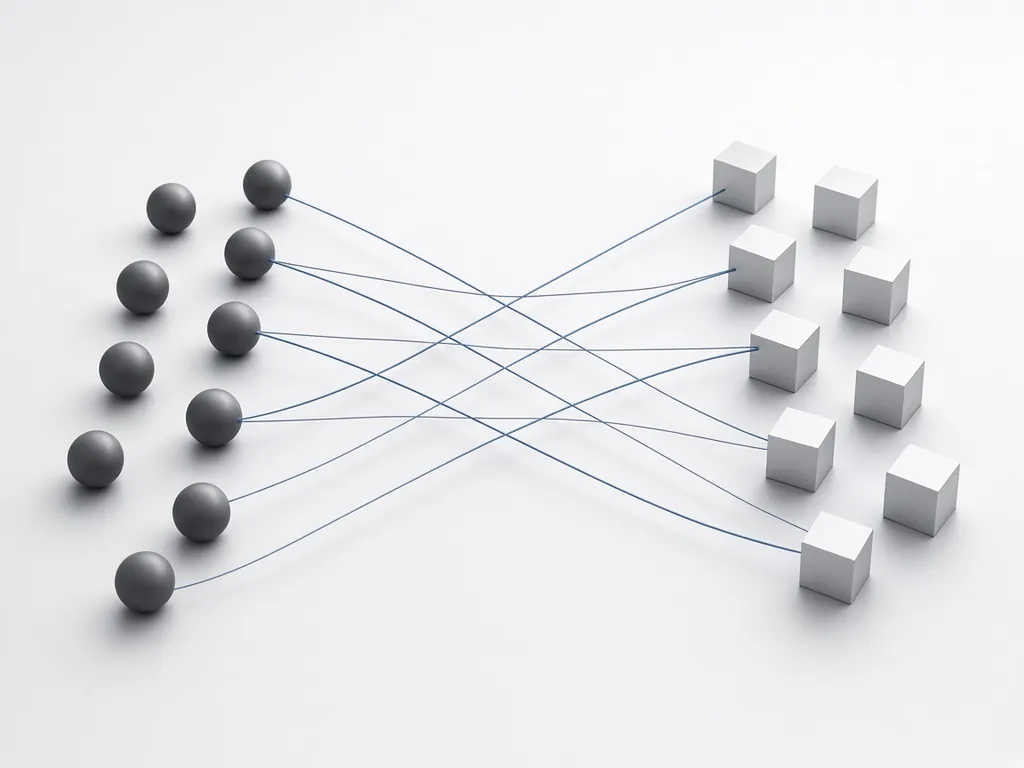
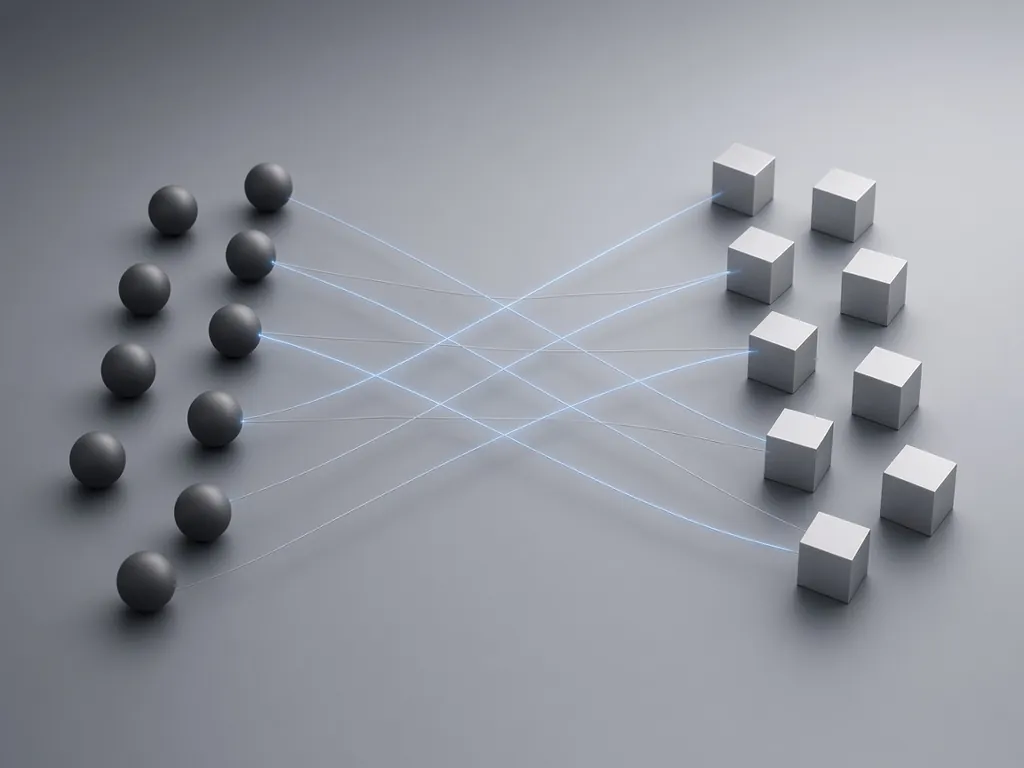
What retrieval was never built to hold.
Retrieval brings back documents and memories that look relevant. MS Duplex keeps what the work has taught, and acts on it:
- 01What succeeded, and what failed
- 02Which actions led to which results
- 03Which tool works in which situation
- 04Which ways of working improved the results
- 05The preferences and rules still in force
- 06What each action changes
- 07The skills that repeated work has taught it
- 08What must be forgotten, reversed or withdrawn
- 09When it can answer on its own, and when to ask your model


Your AI is the model, plus what MS Duplex has learned.
The model can change. What MS Duplex learned, planned, simulated and decided stays.
Your AI
What your people and agents work with
The foundation model
Can change: a new version, a new vendor
What MS Duplex has learned
Stays: yours, and still growing
That separation changes what an organisation owns. What it has learned no longer has to live inside one vendor’s weights, one chat transcript or one app’s own memory format.
A new model arrives. On its own it starts from zero; with MS Duplex, it keeps everything learned so far.


For business: AI that compounds.
MS Duplex changes the economics of AI at work. Every confirmed result can make the next task better, and what builds up is yours to keep.
Value that compounds.
Most AI deployments start nearly from zero on every task. Prompts, retrieval and fixed workflows give context, but the system doesn’t improve from each confirmed result. With MS Duplex, every finished task can leave something behind:
- A better choice of tool
- A lesson in what an action changes
- A reusable skill
- A corrected decision
- A rule to keep
- A worked example
- A clear signal of what worked
- A faster way back into the work
- A new capability, tested before use
So the system grows more useful the more your organisation uses it.
Intelligence that moves with you.
Claude, Codex, Cursor and Hermes can all draw on the same MS Duplex, and so can your own agents, through MCP + hooks. Change the model, the agent client, the model provider or the tool vendor, and keep the processes, rules, history and skills your organisation has learned.
Lock-in falls, and what your organisation learns becomes an asset that lasts.
Personal, team and company, in layers.
MS Duplex keeps what it learns at every level that matters:
- One person
- A team
- The organisation
- One task
- A workspace
- An agent
- A shared thread
A person keeps their preferences and ways of working. A team builds shared practice and tool knowledge. The organisation sets the rules everyone works within, while people and teams go on learning beneath them. That is worth far more than one global memory.
Rules on what agents do, not only what they’re told.
MS Duplex rules govern what an agent actually runs, not just what a prompt asks of the model. Through MCP + hooks, MS Duplex takes part before each request, before each tool call and after each result, and whenever knowledge is shared or forgotten.
Enterprises need control over behaviour, not better wording.
Fine-tuning, for far fewer things.
Fine-tuning still matters when a model needs a new general ability or behaviour. But many business needs don’t require changing the weights at all:
- “Remember our release procedure.”
- “Learn which diagnostic tool resolves this failure.”
- “Stop recommending what keeps failing.”
- “Keep this customer’s constraint.”
- “Continue the task after we switch models.”
- “Share this proven process with the team.”
- “Withdraw what is no longer true.”
MS Duplex handles these outside the model: faster, reversible, traceable to their source, and usually cheaper than fine-tuning again and again.
A new moat.
The valuable asset is no longer only the model. The lasting advantage becomes this:
Your organisation’s continuously accumulated, governed, portable operational intelligence.
Two companies can use the same model and get very different results, because one has years of confirmed lessons, skills, rules, corrections, outcomes and task history in MS Duplex.


For research: continual learning, as a system.
MS Duplex treats continual learning as a systems problem, not only a question of how to update a network’s weights.
Learning that leaves the weights alone.
Much research on continual learning updates a network’s weights while trying to avoid catastrophic forgetting. MS Duplex takes another path, and adapts outside the model’s weights. It is still genuine continual learning: what it does next changes with what it has experienced. And it offers what weight updates struggle to:
- Exact attribution
- Learning that can be reversed
- Isolation between customers
- Selective forgetting
- A full audit trail
- Adaptation on the spot
- Far less compute
- No retraining downtime
Many ways of learning, run as one.
MS Duplex brings several kinds of learning together: adapting fast, recognising what is new, knowing how sure it is, predicting what an action will change, planning, learning from outcomes, and turning evidence into skills it tests before use.
The research value is not in any single algorithm. It is in running them as one persistent, governed learning system behind real agents.
Unlearning that reaches everything.
Forgetting is more than deleting a record. When the evidence behind something is removed, everything MS Duplex learned from it can be withdrawn with it. That matters for privacy, correction, safety, regulation and scientific validity.
A system that learns but can’t accurately unlearn is incomplete for anything meant to run for years.
Long work, without the whole transcript.
MS Duplex carries forward what a long task needs: its goal, its decisions, its constraints and the work still open.
Continuity doesn’t have to mean feeding the model the entire history again, and that matters for agents that work for hours or days.
Learning from more than words.
MS Duplex learns from images, audio, video and documents as well as text, under the same governance over what may be learned. Screenshots, designs, recorded conversations, documents and tool outputs can all teach it.
The point is not finding media. It is connecting that evidence to outcomes, tasks, skills and forgetting.

For the field: where intelligence lives.
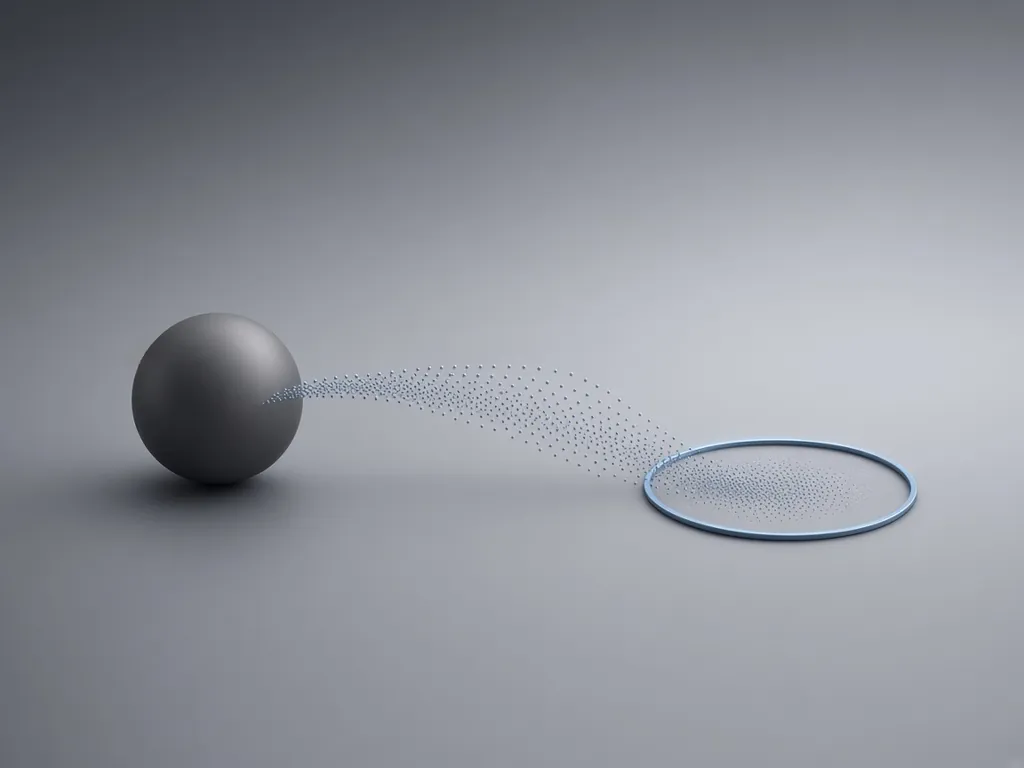
Its biggest implication: intelligence no longer has to live entirely inside the foundation model.
A new unit of intelligence.
The usual view, and the one MS Duplex makes possible:
The model is the intelligent product.
The intelligent product is the model, plus a runtime that keeps learning.
Improvements can then build up between model calls, between sessions, and even between model providers.
Models become easier to change.
When memory, personalisation, rules, learned tool use, task continuity and an organisation’s own skills live in MS Duplex, the model underneath becomes easier to replace. Models still compete on reasoning, speed, modality and price.
But what a customer has built up no longer disappears when the model changes, and power shifts towards whoever holds what was learned.
Agents that stay themselves.
An agent connected to MS Duplex carries on as itself when:
- A conversation ends
- The context window fills
- The client restarts
- A task resumes days later
- The model changes
- Work moves from Claude Code to Codex
- Another authorised person joins
That is closer to a persistent software worker than to a string of unrelated chats.
A clear line between model and system.
ACI is the intelligence that adapts. MS Duplex is the product that pairs it with your AI: the decisions, the governance, the ways in, and the life of everything it learns. Agents work with a few simple, stable operations, the model never needs to know what runs beneath them, and hooks tie each decision to a real action.
That line is what turns an engine into infrastructure that any agent can use.
Another way to scale.
The field often assumes more capable AI mainly needs larger models, more training data, longer context windows or more computation at inference. MS Duplex adds another dimension:
A capable model that keeps accumulating confirmed experience outside its weights.
That can do more, for less, than growing the model or its prompt again and again.
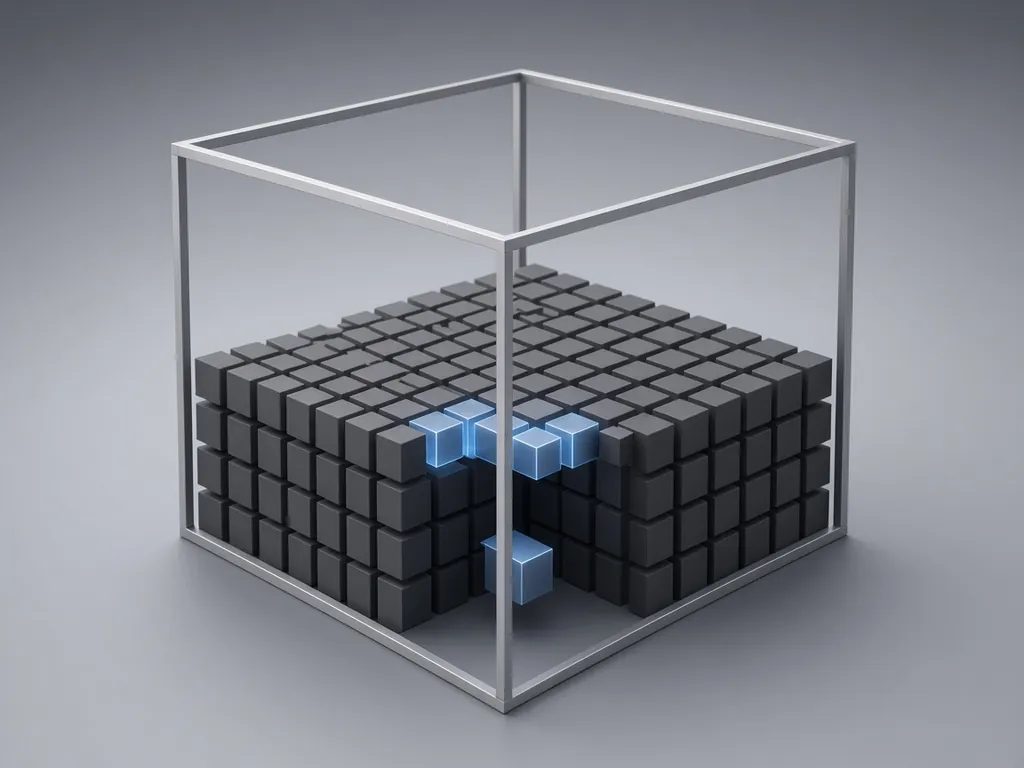
What MS Duplex is becoming.
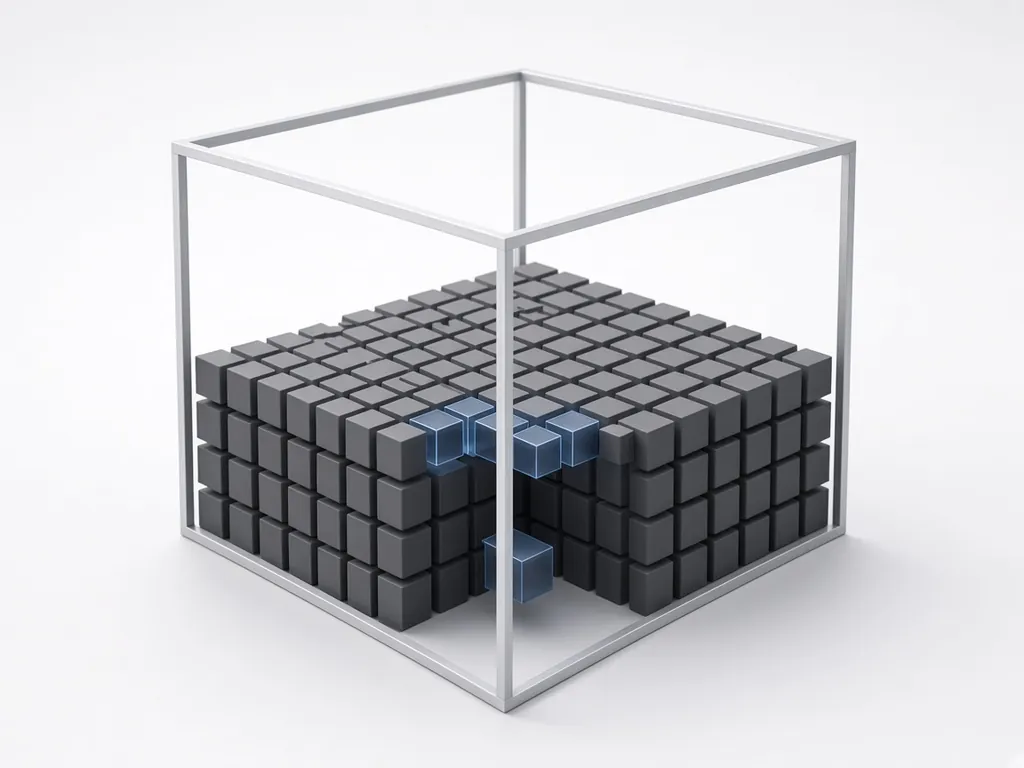
MS Duplex makes AI agents remember, learn, plan, simulate, decide, improve, obey and continue, across sessions and models.
It is not just
- A vector database
- A memory plugin
- A prompt manager
- An MCP server
- A workflow engine
- A policy gateway
- A fine-tuning system
It combines parts of all of them into one runtime that learns.
MS Duplex beside memory, skills, fine-tuning and AI gateways →

In short.
For business
AI that improves through use, and keeps what it learned across agents and model vendors.
For research
Continual adaptation, uncertainty, memory, planning, reversible learning and evidence from every medium, in one system working behind real agents.
For the field
Intelligence no longer has to live entirely inside the model. What is learned can become a separate layer: governed, portable and yours.
Infrastructure, not a feature.
The biggest opportunity is making continual learning work in practice: immediate, kept for as long as you run it, open to correction within your rules, and available to the agents you already use through MCP + hooks, with your model left as it is. MS Duplex is designed to be the layer where people and organisations build up their AI intelligence, and the Agent Operating System their agents run on, while models become replaceable reasoning engines beneath it.


Own the intelligence that outlasts every model.
A pilot puts MS Duplex on your own work, with what counts as success agreed before it starts.