What ACI unlocks.
For your AI, and for your machines.
With ACI, your AI learns from every result your team confirms, and your machines learn on the spot, on the device. Both plan, simulate, decide and act on what they learned, within your rules, and what they learn is yours.
What changes for your AI, with MS Duplex.
The same work, with your AI on its own and with ACI beside it.
Step 1 of 4: A correction
Correct your AI once, and with ACI the very next answer has the fix.
What changes for your machines, with MS Reflex.
The same machine, on its own and with ACI beside its stack.
Step 1 of 4: A new case
Show your machine a new case once, and with ACI it learns it on the spot.
Nine things your AI can do with ACI.
Each one is ACI at work in MS Duplex, beside your AI model, and each figure is an MS Duplex result.
Learning on the spot
Confirm a result once, and the very next answer reflects it, with no training run and no new version to wait for.
0%*Stale answers after a policy change
Current with every change
Change a rule, and ACI follows it from the next request, while everything else it learned stays as it was.
92.5%*Right on the decisions a rule change affected
Faster and cheaper with use
Work it has learned is answered in milliseconds with no model call, so the more it learns, the less each request costs.
−84.8%*Cost, with accuracy up
It knows what it knows
It answers what it has learned, and brings in your model, briefed, when a case is new.
Cases it has never seen
It learns the pattern behind a result, so it handles a new case and tells a look-alike apart.
Skills of its own
It acquires new skills from your work, tests each one before use, and removes it on request.
Intelligence you own
Everything it learns belongs to you, and you can see where it came from: review it, correct it or remove it.
Carried to any model
Move to another model, agent or app, and what ACI learned comes with you.
0*Retraining to move to another model family
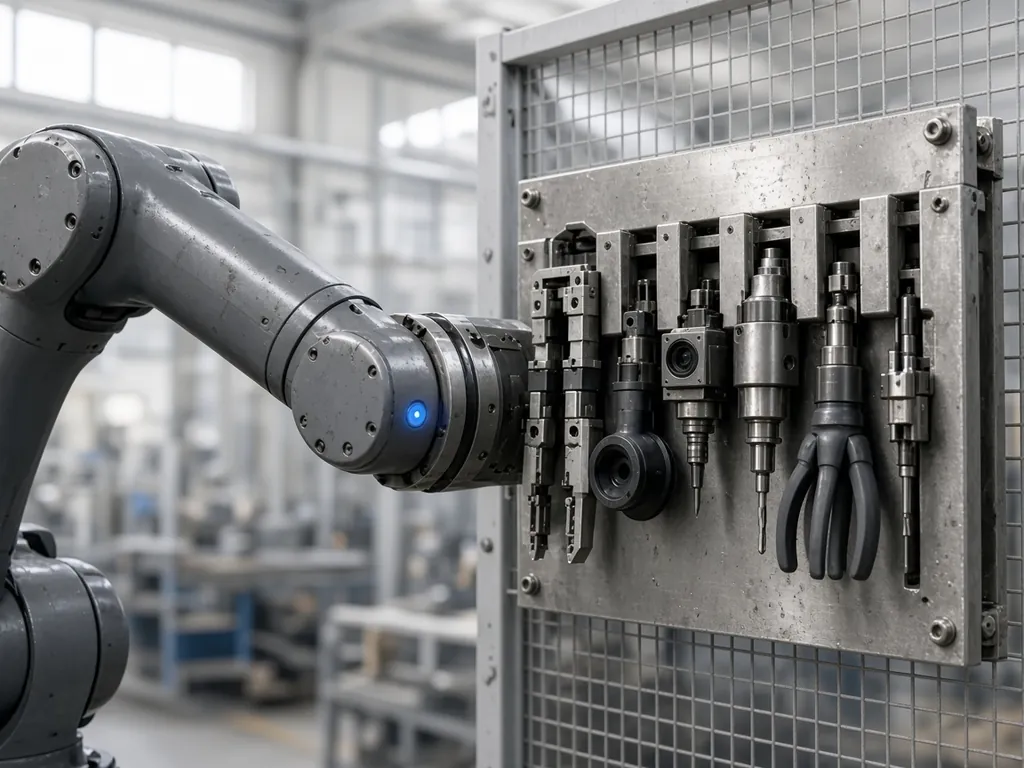
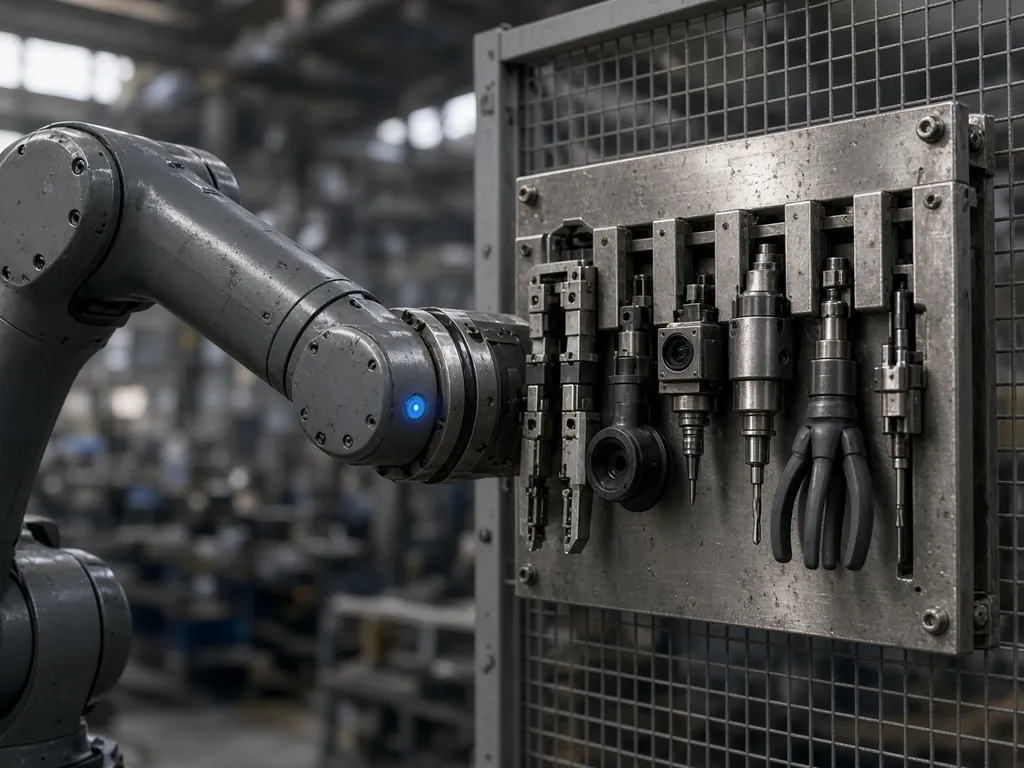
What your machines can do with ACI.
In MS Reflex, ACI works as a second intelligence beside whatever runs your machine: it learns, plans, simulates, decides and acts at runtime, on the device.
- Learns on the spotIt learns fast and on the spot, on the device: one example is enough, and the lesson carries to cases like it.
- Plans and simulatesIt plans to the goal over what it has actually seen, simulates each move before it makes it, and plans again when the world changes.
- DecidesIt decides in the moment, on the device: what to do, which skill to run and when to defer.
- Acts through the gateIt acts through your stack: it picks the skill, sends each command through the gate, checks that it worked and defers when it did not.
- Five invariantsFive invariants, on every machine, whatever runs it.
- Runs on the deviceIt runs on the device, any device: on CPU, with no GPU, no cloud and no connection needed.
Better, faster and cheaper with use.
In MS Duplex, over 3,000 decisions in which the rules changed five times, accuracy kept rising while the cost of each decision fell.
Step 1 of 3: Day one


Learning and personalisation.
MS Duplex learns from examples, facts, documents, corrections and outcomes while the work happens.
Step 1 of 4: Confirmed
Confirm a result, and MS Duplex learns it on the spot.
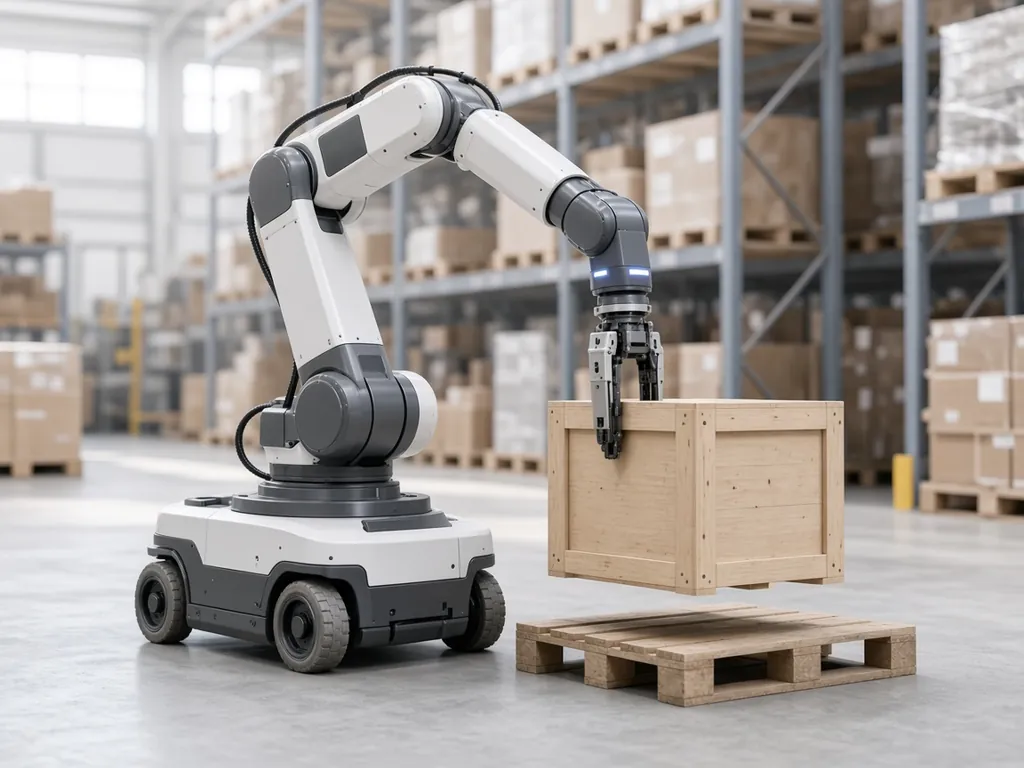
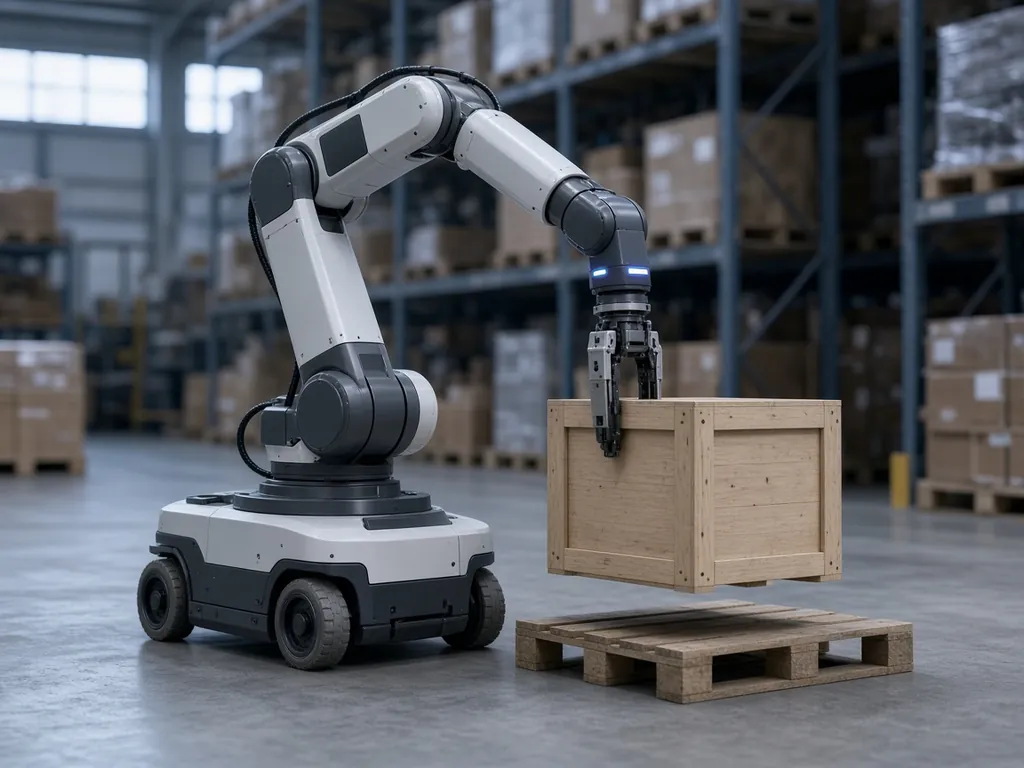
Learns on the spot.
It learns fast and on the spot, on the device: one example is enough, and the lesson carries to cases like it.
Step 1 of 5: Once
Shown once how to lift a new crate, the robot learns it on the spot.
Put intelligence that keeps learning to work.
Start with MS Duplex in the assistant you already use, or plan an MS Reflex pilot on your machines. Either way, what it learns is yours.