

Solid electrolytes.
Fast ions, in a stable solid.
Name the conductivity, the voltage window and the anode. MS Lattice names the conductor.
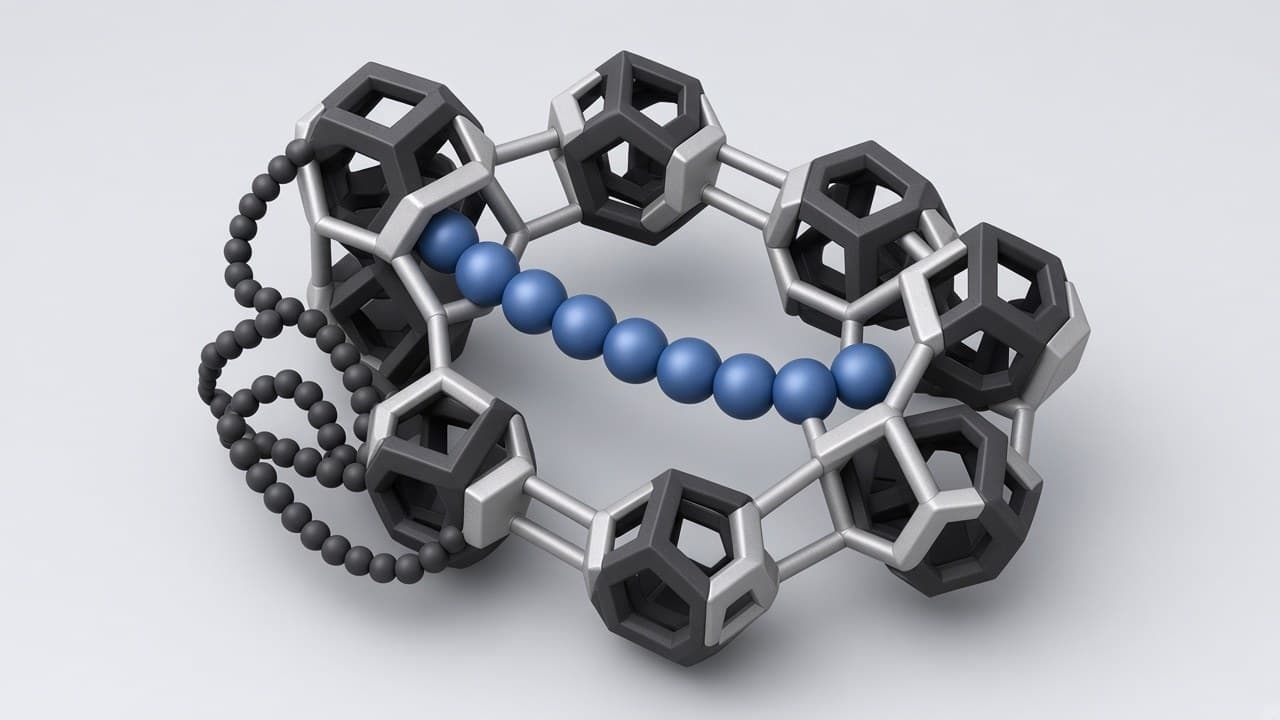
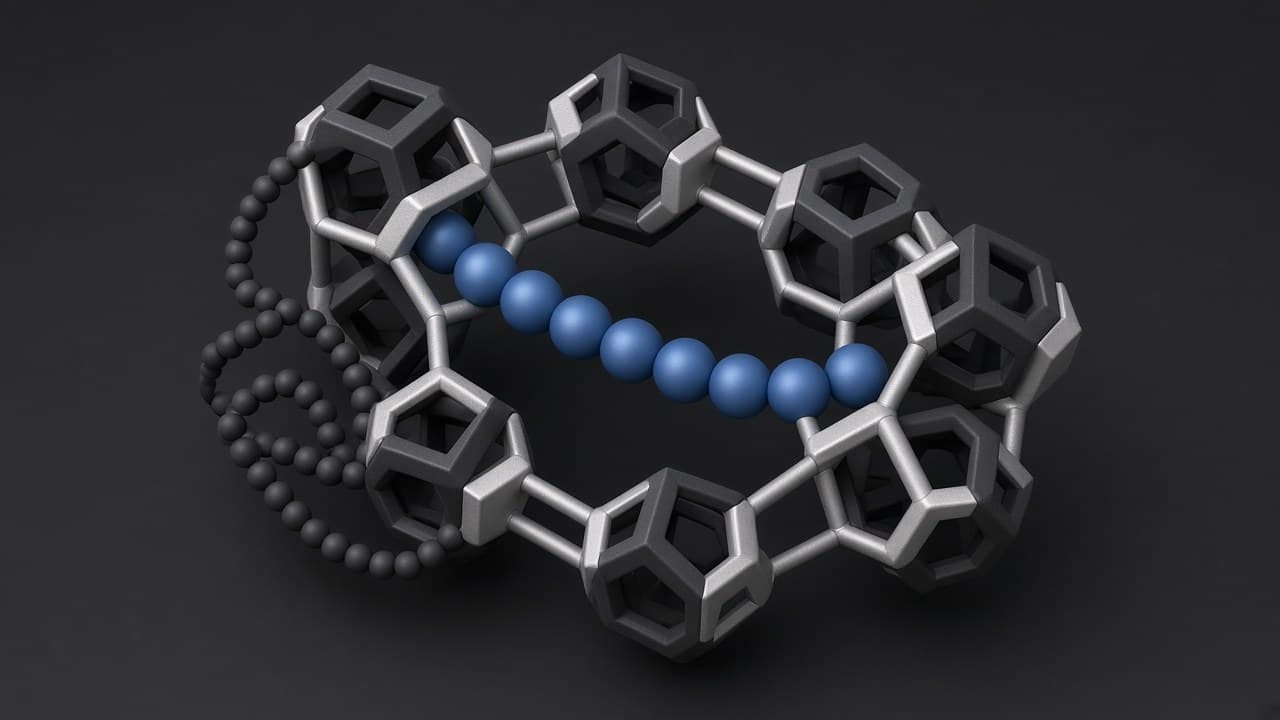
- Solid-state batteries
- Fuel cells
- Electrolyzers
The material groups.
Each group brings its own structures and chemistry to the search.
Garnets
Stable against almost everything.
NASICON-type conductors
Open channels built for ions.
Sulfides
The fastest conductors known.
Halides
Stable at the highest voltage.
Oxide-ion conductors
For solid oxide cells.
Proton conductors
For protonic ceramic cells.
Ceramic–polymer composites
The right ceramic for the blend.
What you can aim for.
Set the properties that matter. Say what a candidate must meet and what it should push for, with cost and supply in view.
- Ionic conductivity
- Electrochemical stability window
- Stability against the anode
- Processability
- Cost
Starting points.
Start from a proven preset, or set your own targets.
Maximum conductivity
The fastest ion transport the domain allows.
Anode-compatible
Conductors that stay stable against the anode.
Four modes, in every domain.
Search from the target alone, improve a material you have, or watch the engine find sealed targets blind.
Open Discovery
You have a target, not a starting structure.
Prototype-Guided Optimization
You have a good material. Make it better.
Guided Rediscovery
Point it at a known material. Watch it arrive.
Blind Rediscovery Benchmark
Seal the answer. See if it comes back.
Every candidate, with its record.
Each candidate comes ranked against your targets, with its estimated properties and their uncertainty, the checks it passed and a structure file to export, ready for your lab.
Stop guessing which crystal to make. Ask for it.
Tell us the domain and what the material must do. License MS Lattice for your team, or let Norck take the discovery all the way to finished parts.