

Four modes.
One engine, four kinds of question.
Open Discovery, Prototype-Guided Optimization, Guided Rediscovery and the Blind Rediscovery Benchmark run on the same engine, in every domain. Choose by what you already have.
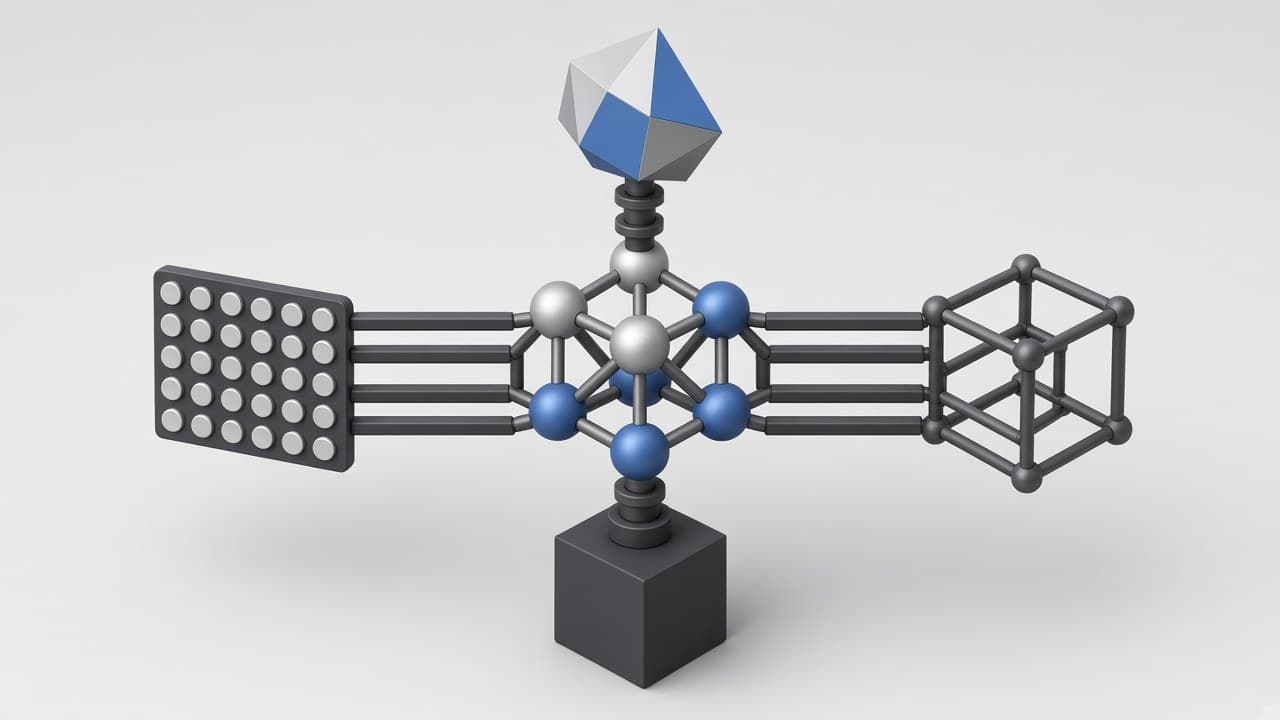
Which mode fits.
Start from what you already have.
A target, and nothing to start from
Open Discovery.
A material to improve
Prototype-Guided Optimization.
Targets as guides
Guided Rediscovery.
Targets kept sealed
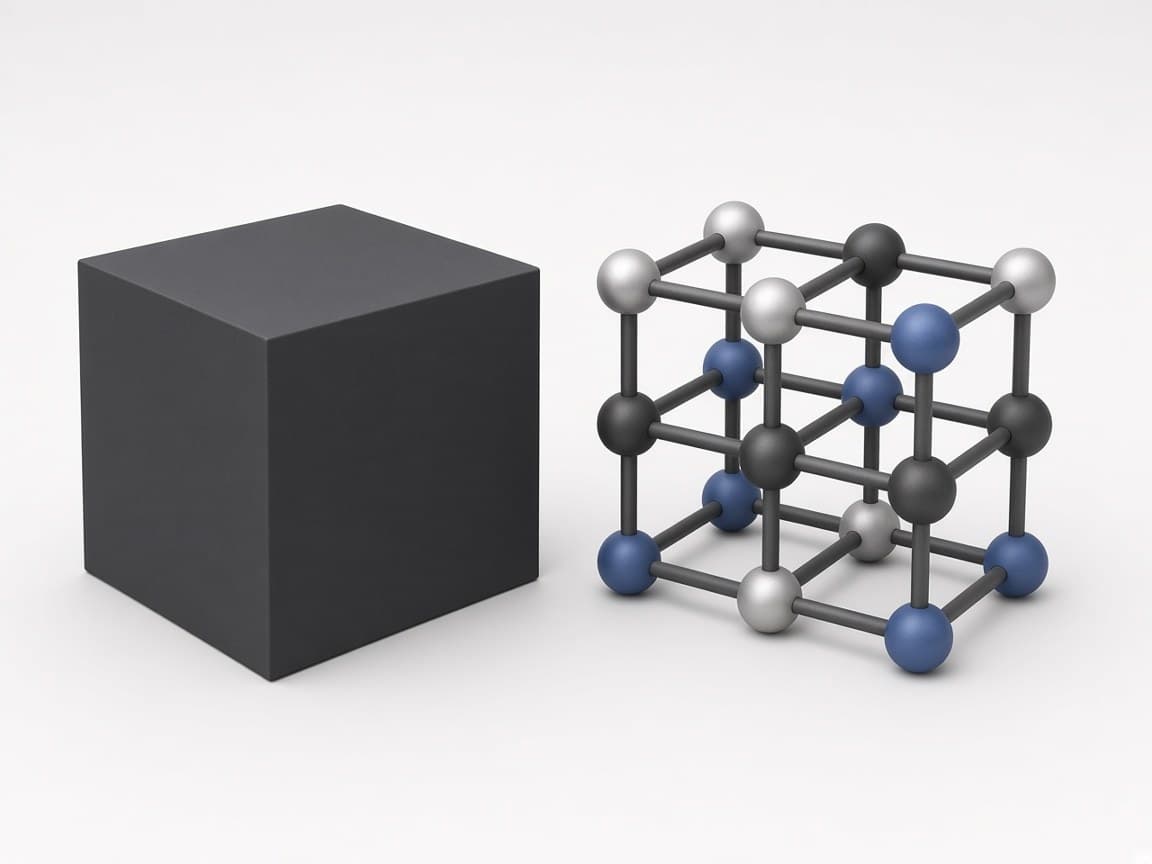
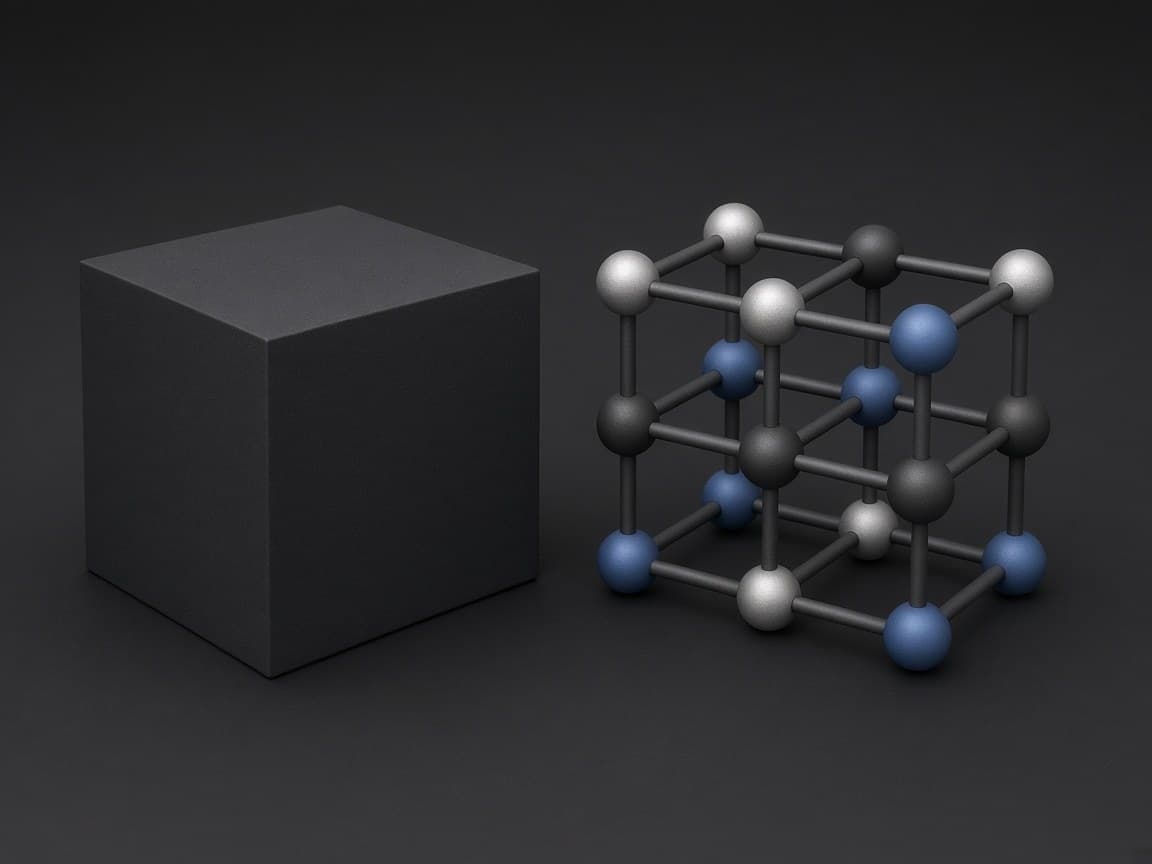
The Blind Rediscovery Benchmark.
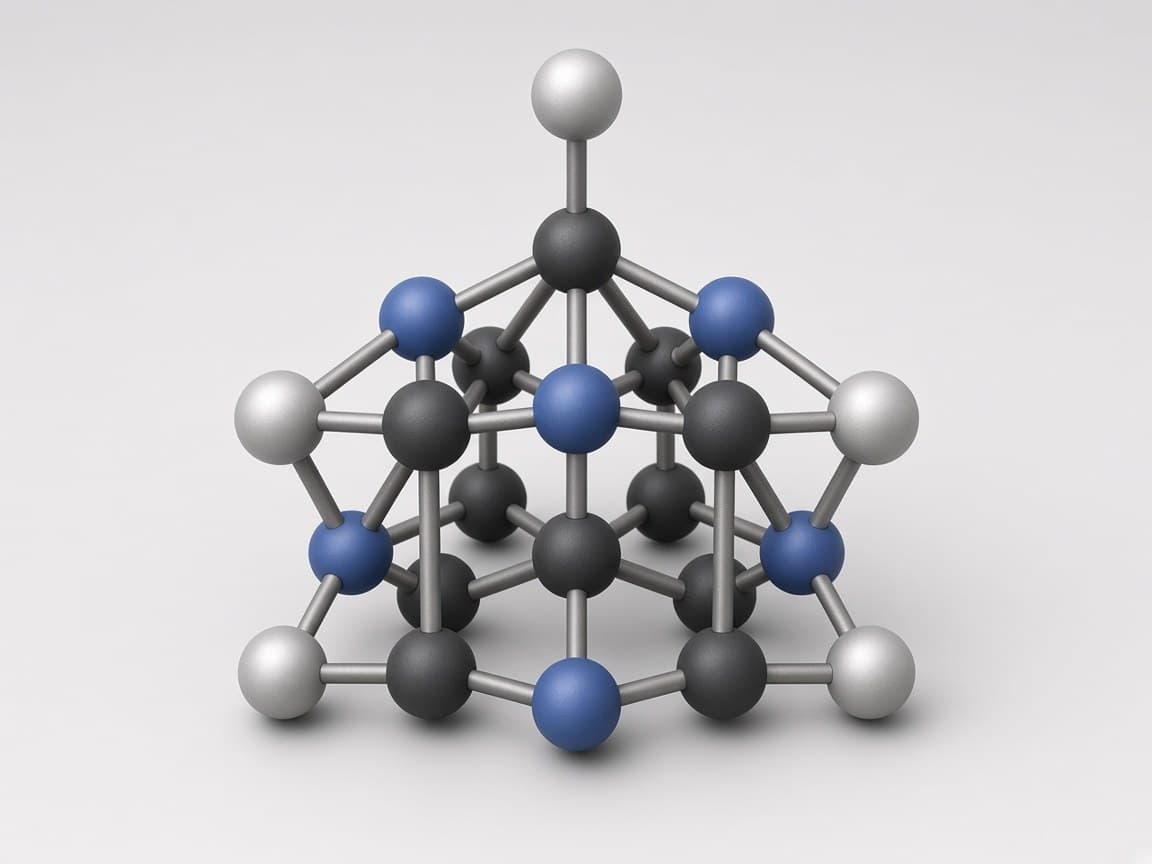
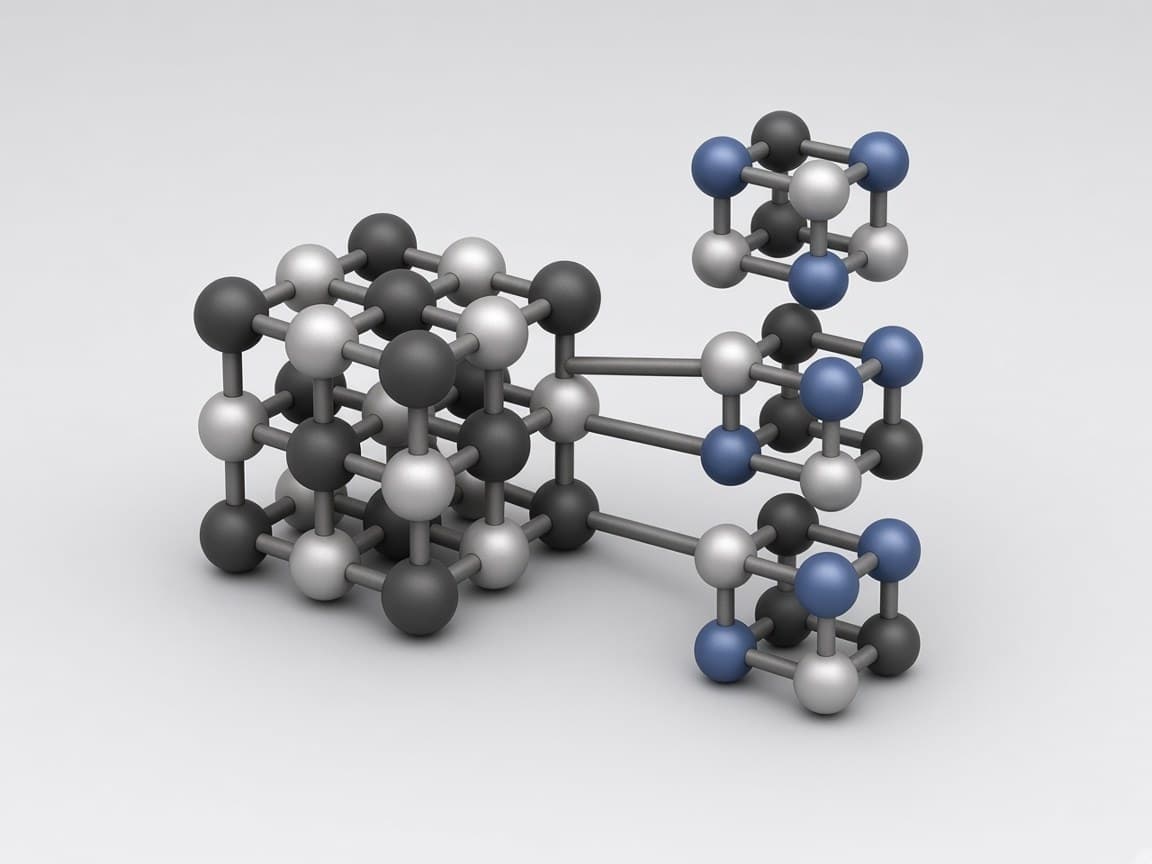
Open Discovery
You have a target, not a starting structure.
- What the engine sees
- Your target, nothing more
- You give it
- A domain, a goal preset or your own targets, and a budget.
- It does
- It searches the whole composition space.
- You get
- A ranked, diverse set of candidates, each with its record.
- Best for
- New materials, from the target alone.
- For example
- A machining coating from three numbers: 28 GPa, 800 °C and $30 a kilo. (Ti,Al)N and (Cr,Al)N, the coatings the industry runs on today, landed in the top five.
Prototype-Guided Optimization
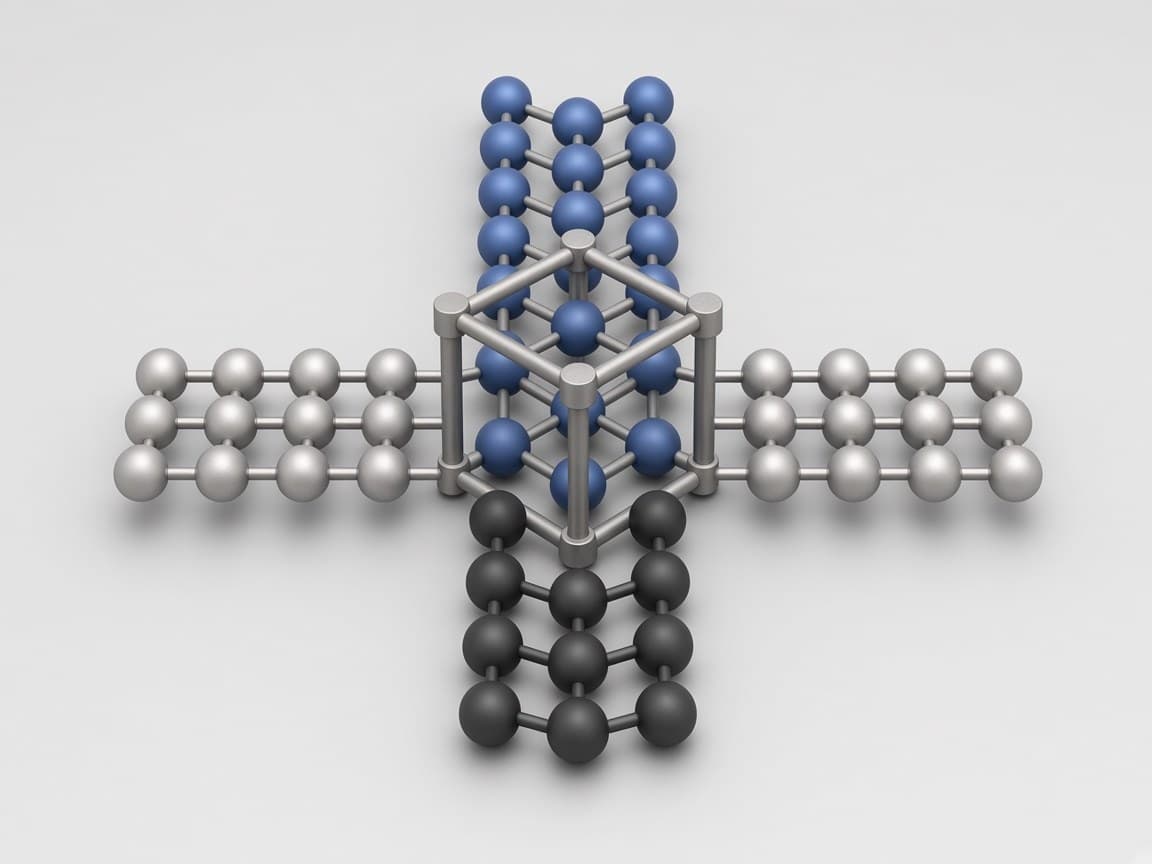
You have a good material. Make it better.
- What the engine sees
- Your target and your structure
- You give it
- A starting structure and what to improve.
- It does
- It searches around your structure and tracks every variant against the original.
- You get
- Variants ranked against your prototype.
- Best for
- Taking the material you use today further.
- For example
- Today’s automotive magnet, searched for variants that hold their strength at motor temperature.
Guided Rediscovery
Point it at a known material. Watch it arrive.
- What the engine sees
- The known targets, as guides
- You give it
- Known target structures.
- It does
- It lets the targets guide the search and scores how closely every candidate reaches them.
- You get
- A match level for every target.
- Best for
- 14 of 14 candidates on target in about three minutes, the closest within 0.0008 Å.
- For example
- Zirconium diboride: 14 of 14 candidates on target in about three minutes, the closest within 0.0008 Å.
Blind Rediscovery Benchmark
Seal the answer. See if it comes back.
- What the engine sees
- None of the targets, until the freeze
- You give it
- Sealed targets, hidden from the engine while it searches and ranks.
- It does
- It searches without the answers, freezes the candidates, then reveals the targets and scores the match.
- You get
- A graded verdict for every target.
- Best for
- Both sealed ceramics found, down to the arrangement of their atoms.
- For example
- Two sealed ultra-high-temperature ceramics: both found among 64 candidates, in 32 minutes, for under 20 cents.
In every domain.
All four modes run in all eleven domains, from your own agent, the API, the SDK or the command line.
Stop guessing which crystal to make. Ask for it.
Tell us the domain and what the material must do. License MS Lattice for your team, or let Norck take the discovery all the way to finished parts.