A ranked shortlist is the end of a search and the start of everything else. Between a candidate on a screen and a part on your assembly line sit synthesis, testing, scale-up, production and manufacture, each with its own decisions. Norck’s discovery service, powered by MS Lattice, puts that whole path into one project. This guide walks through how such a project runs, using the process, scopes and brief Norck works to, and says at each step what your team brings and which decisions stay with you.
It also sets the project against the wider picture. Taking a new material to a part follows a broadly similar sequence across industries, and knowing that sequence helps you plan where Norck’s work ends and your own begins.
Before you start: a way in and a scope
Two choices come before the first step. The first is the way in. Existing material optimization makes what you have better: you bring a material in service and say what it should do better. Breakthrough material discovery finds what does not exist yet: you bring a target and no starting structure. In MS Lattice’s terms, the first is the work of Prototype-Guided Optimization, which searches around your structure and tracks every variant against the original, and the second is the work of Open Discovery, which searches from the target alone.
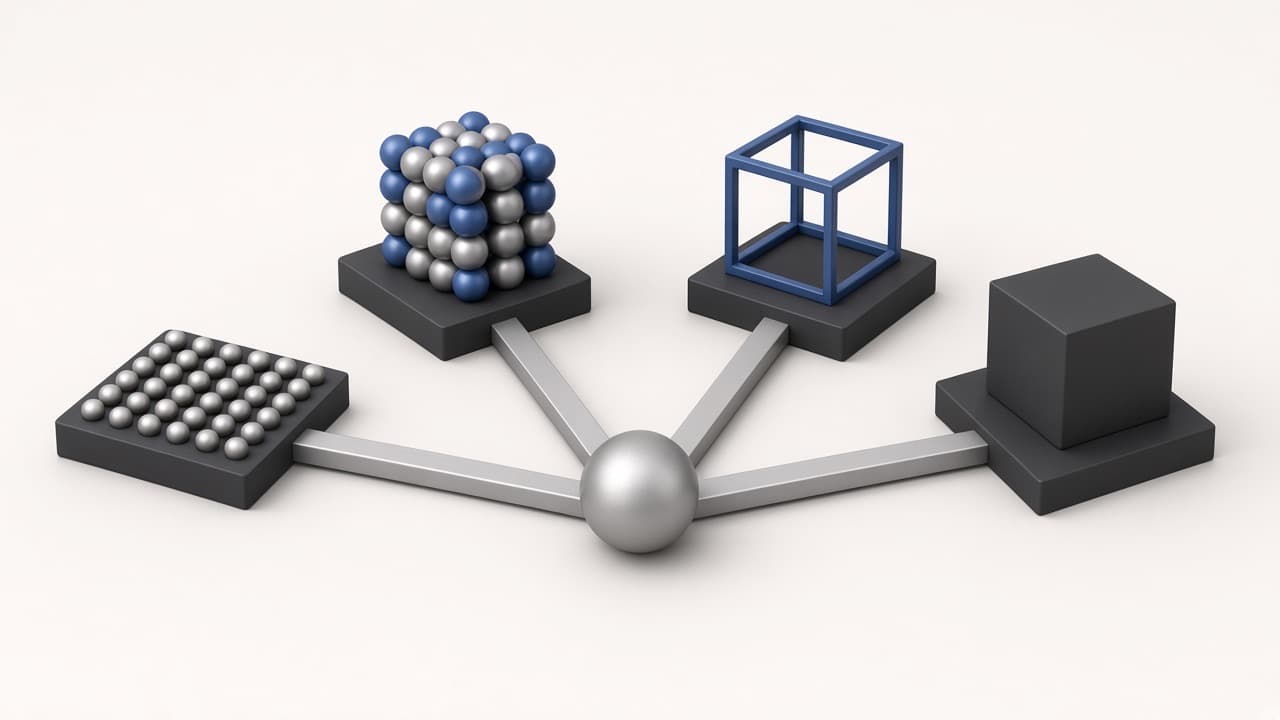
The second choice is the scope. You can take only discovery, or go all the way to finished parts.
- Discovery: new material candidates, or an optimized existing material.
- Discovery + Validation: candidates synthesized and physically tested.
- Discovery + Validation + Production: a validated material, produced.
- End to end: from discovery to your final, manufactured parts.
Choose the scope by what your organization can already do. If you have a synthesis lab and a test house you trust, discovery alone may be enough. If you have no route to producing a new material, the later scopes carry the project further. You can buy only the part of the process you need, and that choice is yours to make before the work begins.
The eight steps, and what you bring to each
With Norck, discovery does not stop on a screen. A project moves from requirement to result in eight steps. Each one below gives the step as Norck describes it, then what your team should have ready for it.
- DefineYou share the properties you need, your requirements and your preferences. Bring the operating conditions, the numbers with their units, the elements you will not use and the cost your part can carry. If you are optimizing, bring the material you use today and what you want it to do better.
- Discover and optimizeMS Lattice searches, designs and optimizes material candidates, with your requirements held inside the search and your preferences pushed as far as they go. What you bring here is the brief you settled in the first step: the clearer its limits, the more of the search goes to candidates you can use.
- SelectThe strongest candidates are chosen against your requirements and target properties. Those requirements and targets are yours, so your brief sets what “strongest” means. Be ready to say which preferences matter most to your product.
- Synthesize and validateCandidates are synthesized and tested for manufacturability, stability and properties. Bring the conditions your part sees in service, so the evidence speaks to the questions your engineers will ask.
- Evaluate and iterateReal-world results feed straight back into the next round of design. Your part is judgment: whether a result is close enough, and whether a limit in the brief should tighten or relax now that measured data is in hand.
- Produce the materialThe winning material moves to production with qualified manufacturing partners. Bring the form, the quantity and the specification you need the material in.
- Manufacture the partIf you need it, the new material becomes your final part or product. Bring the drawings, the tolerances and the requirements the part must meet.
- DeliverA validated material, produced material or finished parts, depending on your scope. What you take on from here is the work of proving the part in your own product.
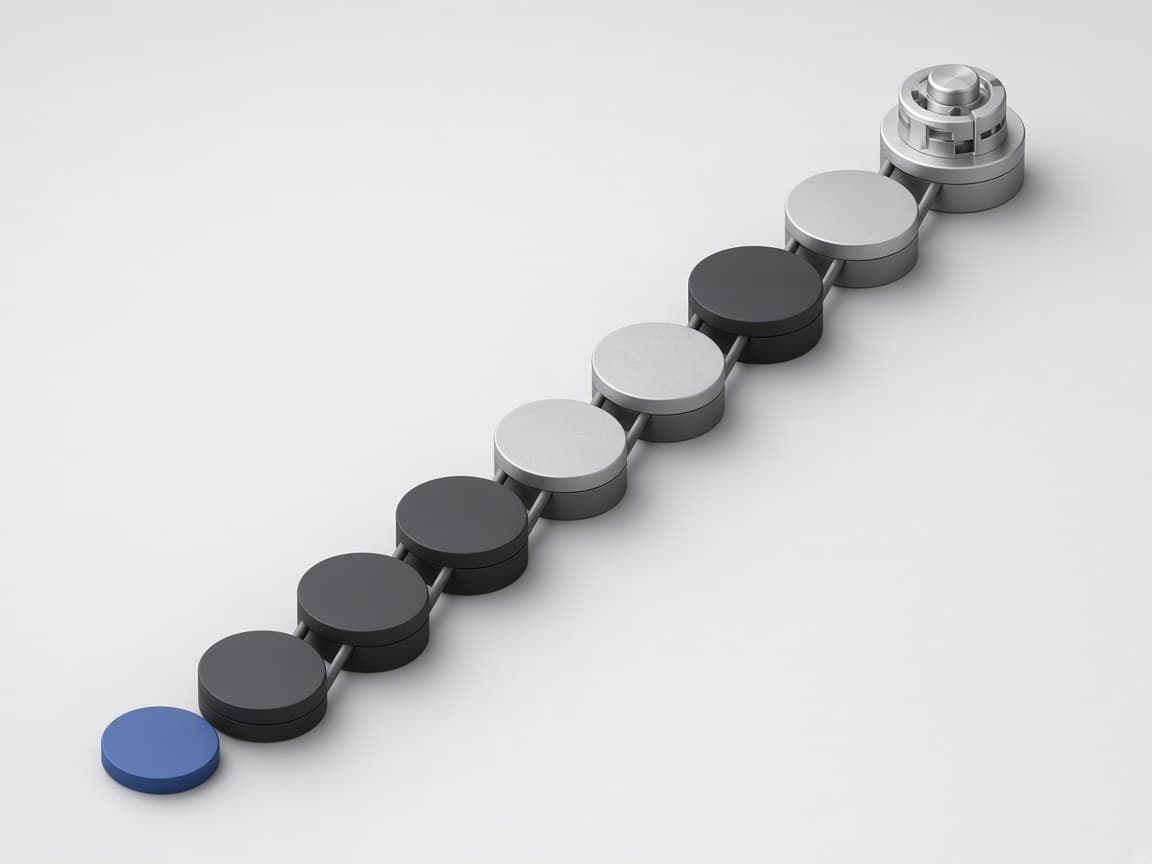
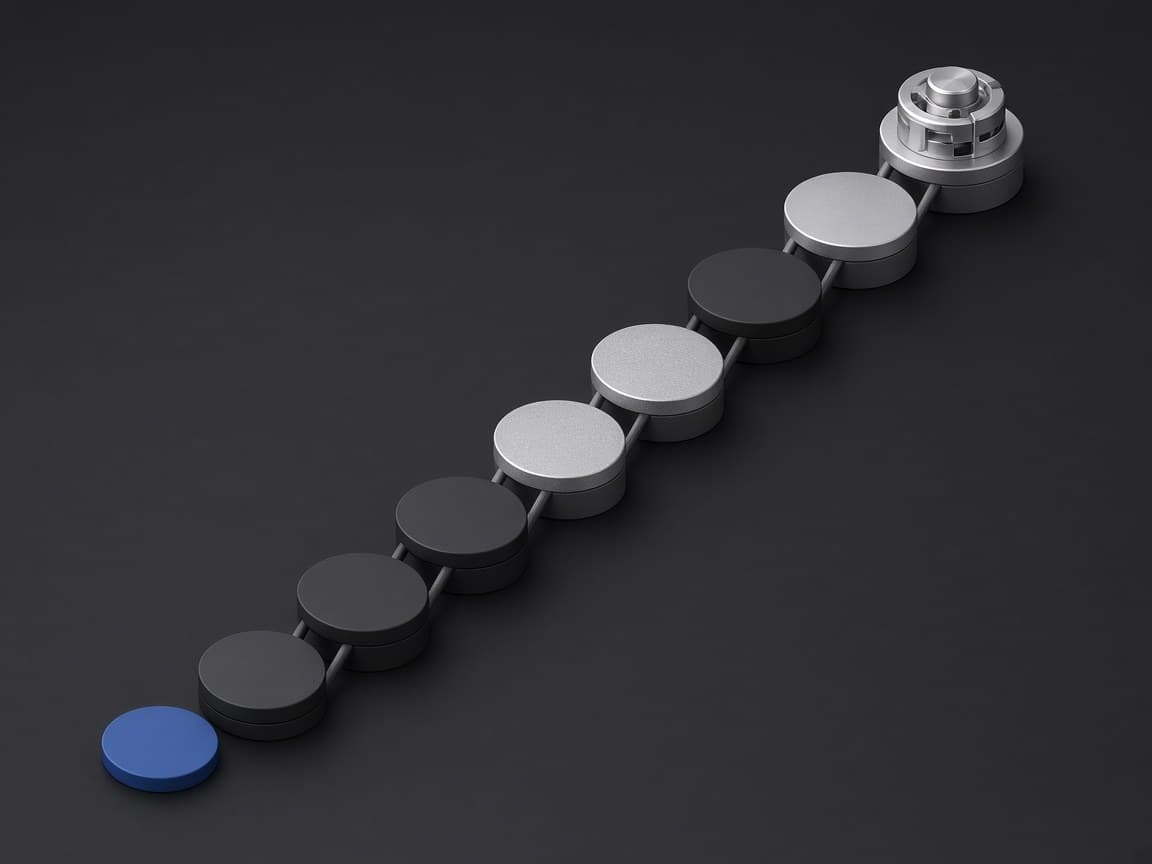
What the search hands to the next step
The first steps run on MS Lattice, and what it hands on shapes everything after. Each candidate comes ranked against your targets, with its estimated properties and their uncertainty, the checks it passed and a standard structure file. Every candidate is checked against the known crystals, so you see what is new. And every candidate can be rebuilt from its record.
- 73 of 73candidates rebuilt from their record
- 4 of 4first-principles stability verdicts right
For a project that goes on to synthesis, the record matters as much as the ranking. It lets the people who make the material see why a candidate was chosen, what it was checked for and where its estimates stop. A short list of strong, different candidates, rather than a haystack, is what makes physical work on it practical, and it gives the lab a second and third option if the first does not behave as expected.
The decisions that stay with you
A project with a partner still runs on your decisions. Some come up once, at the start. Others come back at every round.
- The way in: optimize a material you have, or discover one that does not exist yet
- The scope: discovery, validation, production or end to end
- Which limits are requirements and which properties are preferences
- Whether measured results justify another round, and what should change in the brief
- Whether the material goes to production, and whether it becomes your part
- How the part is proven in your product, and when it enters service
The last of these is the one no supplier can take from you. A material can be made, tested and turned into a part, and it is still your organization that decides the part is fit for its job, against your own specifications and, where your sector has them, the standards and authorities that govern it.
From a candidate to a part: how it goes in industry
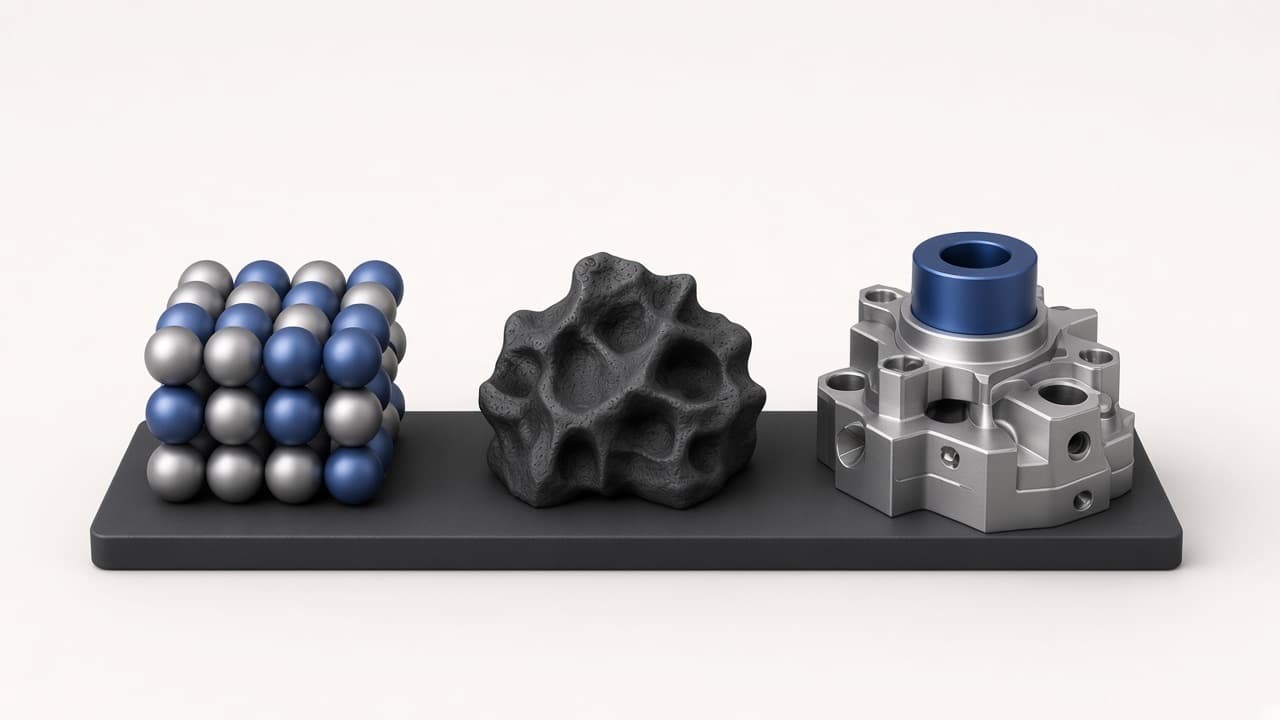
Outside any one project, the road from a new material to a production part follows a familiar shape. The details differ between a cathode powder, a cutting-tool coating and a structural alloy, but the same stages recur.
Synthesis
The first physical step is making the material at small scale: a powder from a solid-state reaction, a small arc-melted button of an alloy, a pressed and sintered pellet of a ceramic, a thin film deposited on a substrate. The aim is to confirm that the intended phase forms and that its structure matches the one proposed, usually checked by diffraction and microscopy.
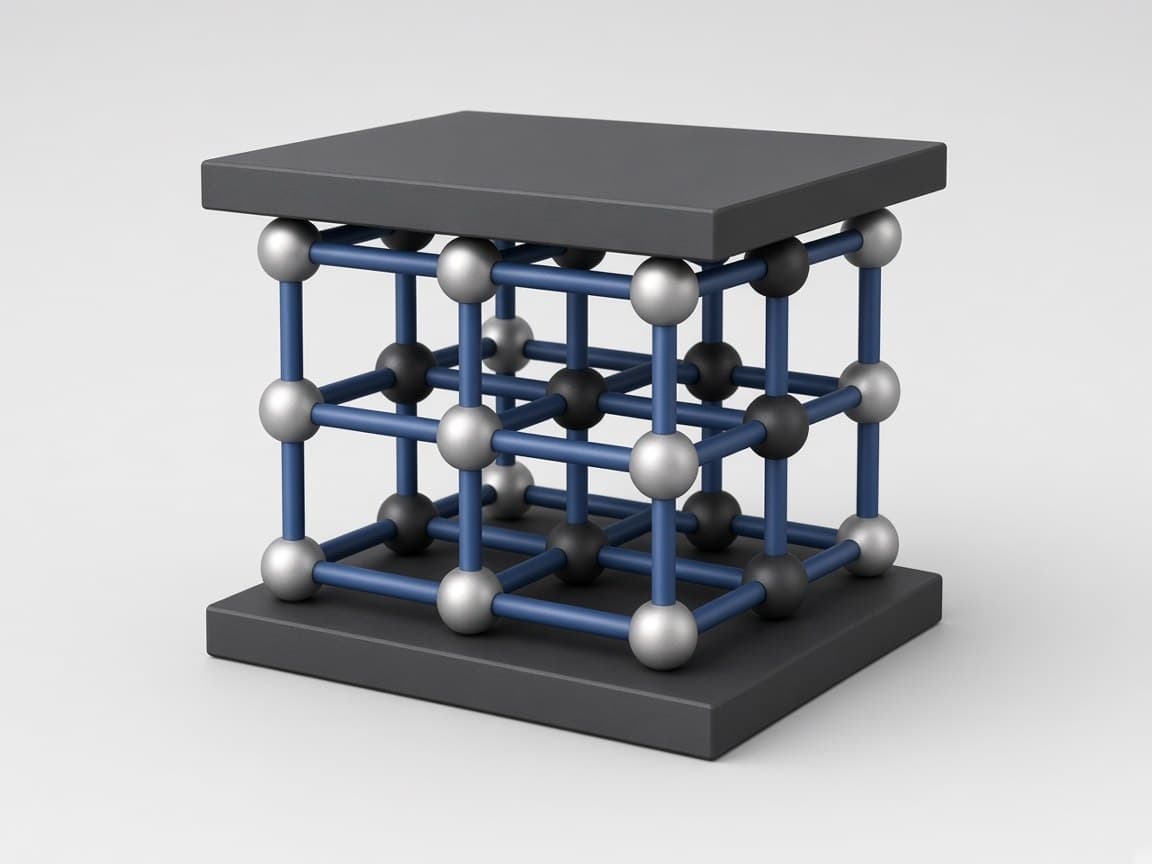
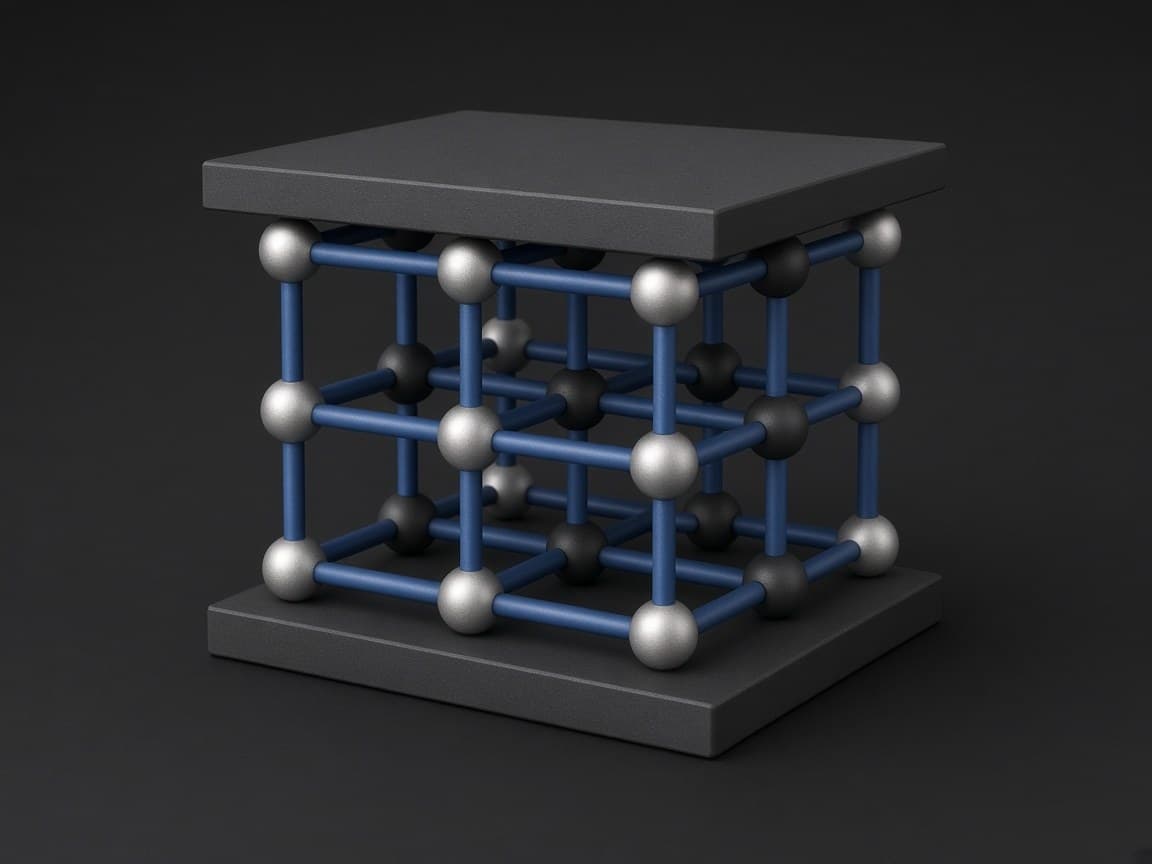
Test coupons
Once the material can be made reliably, it is made into standard specimens: tensile bars, coated inserts, oxidation coupons, coin cells, sintered discs. Coupons give comparable measurements of the properties that matter, and they let a team set a new material directly beside the one it would replace, under the same test.
Process development
A material that performs as a coupon still has to be made the same way every time, at the quantity and in the form a part needs. Process development fixes the route: powder handling, melting and casting, heat treatment, sintering, deposition settings. It is often the longest stage, because processing sets the microstructure, and the microstructure sets many of the properties that count.
Qualification by the customer
Finally, the organization that will use the part qualifies it. It tests parts made by the production route against its own specifications, in conditions that represent service, and in regulated sectors under the rules of the relevant authority. This stage belongs to the customer, because only the customer knows the full duty the part must perform.
In Norck’s process, the physical work sits in Synthesize and validate, Produce the material and Manufacture the part. Qualification of the part in your product follows delivery and stays with you, so plan for it from the first step: the requirements you write in Define are the ones your own tests will hold the part to later.
Preparing your team
A few things make a project easier to run at every step, whichever scope you choose.
- A one-page brief, with requirements and preferences in separate columns
- The operating conditions the part sees, with numbers and units
- The material you use today, if you are optimizing, and what you know about it
- A named owner for the decisions between rounds
- Your own test plan for the delivered material or parts
Questions teams ask
Can we stop after discovery?
Yes. Discovery is a scope of its own: new material candidates, or an optimized existing material. You can take the shortlist into your own lab.
What does validation cover?
Candidates synthesized and tested for manufacturability, stability and properties. How the material performs in your product is still decided by your own testing in your application.
Who produces the material?
The winning material moves to production with qualified manufacturing partners, and Norck manages the whole project.
Do physical results change the search?
Yes. Real-world results feed straight back into the next round of design.
Who qualifies the finished part?
You do. Qualifying a part for its use belongs to the organization that will put it in service.


MatterSpace’s first domain engine
MatterSpace built MS Lattice for the scientists and engineers who discover and design new materials, starting from the properties their product needs.