

MS DuplexLong-horizon planningShow allShow less
Long-horizon planning.
Weeks-long campaigns stay one job, with plan and progress.
MS Duplex keeps a long campaign as one job, with its goal, its route and the evidence gathered at every checkpoint. Give it the goal rather than a script, and it plans again when a result changes the picture.
Plan and decide · one of the fourteen capabilities of MS Duplex
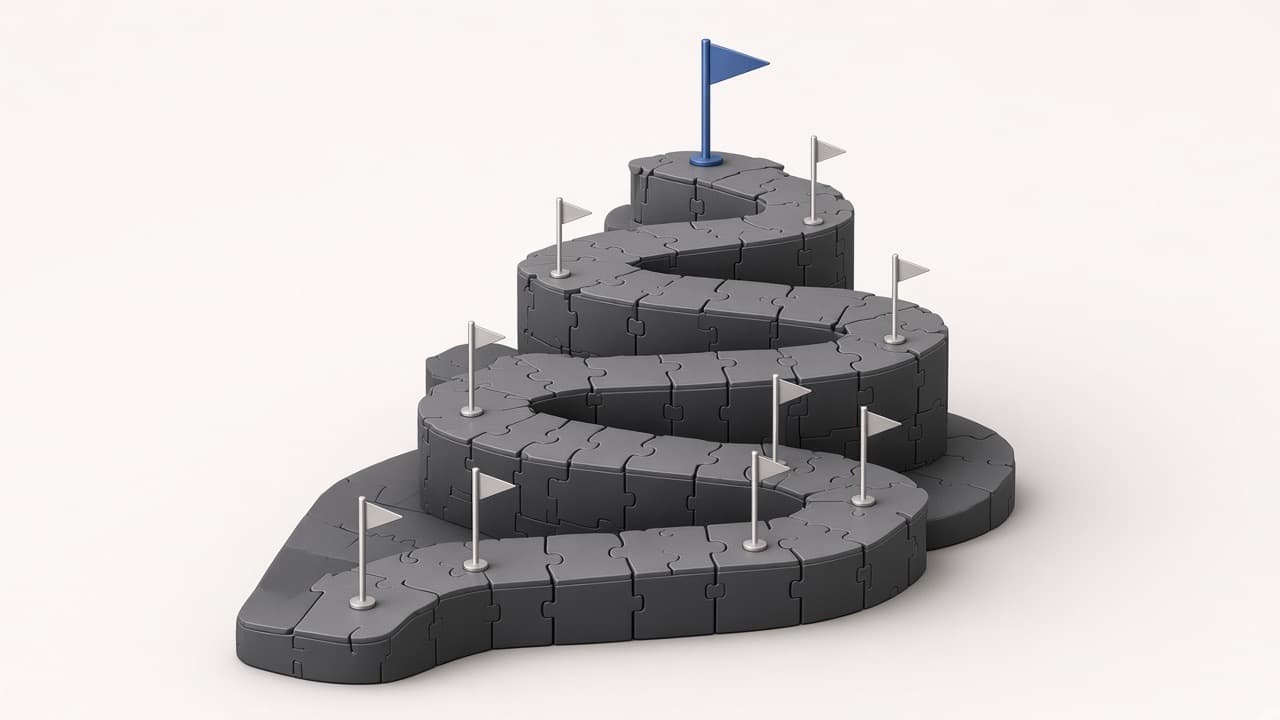
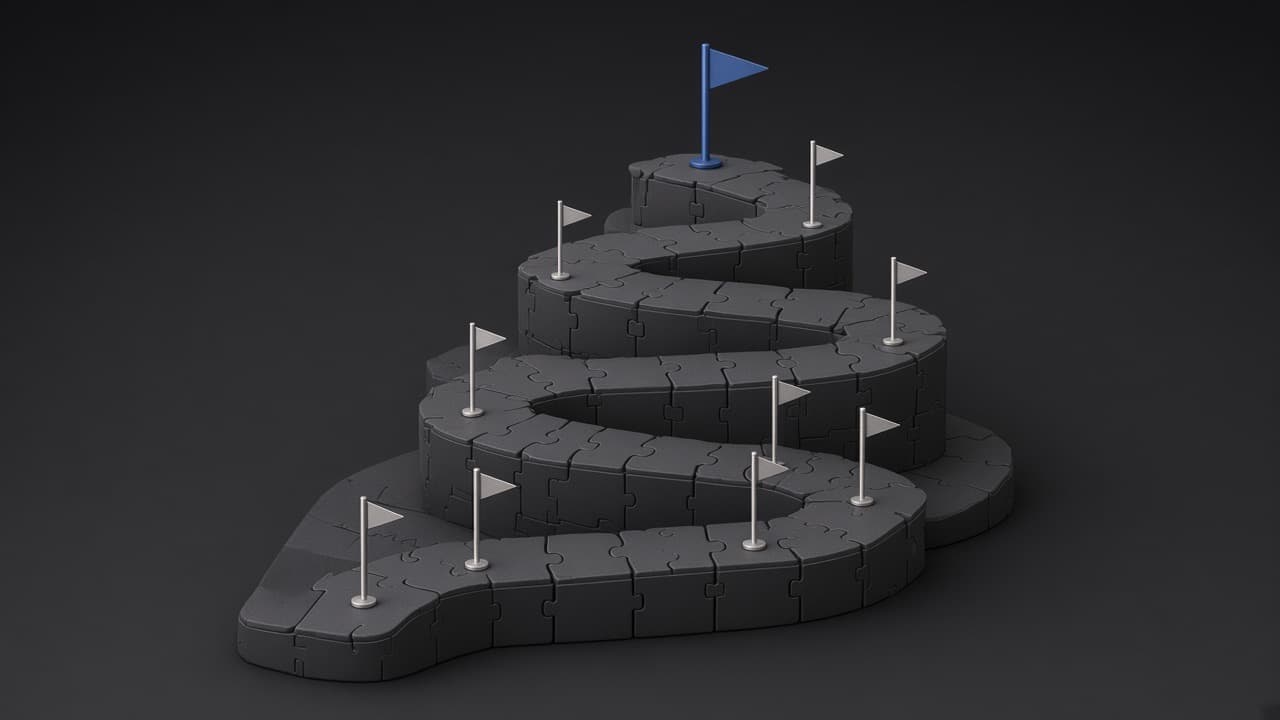
Your team gets
- Multi-step research that reaches its goal
- Checkpoints your experts can review at any time
- Work that survives interruptions and hand-offs
What long-horizon planning means for your team.
Long-horizon planning means your AI can carry a goal that takes many steps to reach. MS Duplex lays out the route from where the work stands to where your team wants it to be, keeps a checkpoint at each stage and records the evidence gathered there.
An agent on its own works one session at a time. When the session ends, the plan, the progress and the reasons behind each step end with it, and the next session starts by rebuilding them. MS Duplex keeps the campaign itself, so a pause, a hand-off or a new session picks up from the last checkpoint.
A plan is only useful while it still fits the facts. When a result comes back that changes the picture, MS Duplex plans again from that point, keeps what still holds and records why the route changed.
Why research needs plans that last.
Real research is rarely one step. The goal is reached through a series of runs, analyses and reviews, and each one shapes the next.
A campaign to reach a target, compare a set of designs or close an open question can involve dozens of steps, several people and more than one tool. The value lies in the sequence: what was tried, what came back and why the next step was chosen.
When that sequence lives only in a chat window or in someone’s head, every interruption costs the work. A weekend, a colleague’s leave, a model change or a closed session means the plan is rebuilt from memory, steps are repeated and the reasons behind earlier choices are lost.
Goals take many steps
The questions that matter most to a research team are answered through a campaign of runs, rarely by a single one.
Work is interrupted
Sessions end, people hand over and priorities shift, and the campaign has to carry on through all of it.
Results change the route
An unexpected result should change the plan from that point on, while everything that still holds is kept.
Leaders need to see progress
Anyone responsible for a campaign should be able to see where it stands and what each step rests on.
How long-horizon planning works in your team’s day.
Your team sets the goal and reviews the checkpoints. MS Duplex keeps the plan, the progress and the evidence between them.
- 1
The goal is set
A researcher gives the agent the goal and the constraints that matter, such as the budget and the steps that need a person’s approval.
- 2
The route is laid out
MS Duplex lays out the steps from where the work stands to the goal, with a checkpoint at each stage your experts can review.
- 3
Each checkpoint is kept
As the agent works, the result and the evidence at each checkpoint are recorded, so the progress is on record at every stage.
- 4
The plan adapts
When a result changes the picture, MS Duplex plans again from that point and records why. A new session, agent or person picks up from the last checkpoint.
An example, in any field where an agent runs a campaign.
A team’s agent is asked to find the best of a large set of candidate designs within a fixed budget of runs. The campaign spans several sessions and three people.
- 1
The plan
The agent receives the goal and the budget. MS Duplex lays out a route: screen the full set, narrow it to a shortlist, then run the detailed evaluation on the shortlist, with a checkpoint after each stage.
- 2
A result changes the picture
The screening shows that one group of candidates fails a requirement the team cares about. MS Duplex plans again from that checkpoint, drops that group and moves the budget it would have used to the shortlist, recording why.
- 3
A hand-off
The researcher who started the campaign moves to other work. A colleague opens a new session on a different model and starts from the last checkpoint, with the goal, the decisions and the evidence in view.
- 4
The goal is reached
The detailed evaluation confirms a leading design. The team lead reviews the checkpoints and sees every step that led there and what each one rested on.
Long-horizon planning works with the other capabilities.
A long campaign draws on most of the layer, and every step it takes feeds the rest.
Simulation before action
Before each costly step in the plan, the options are played forward, so the budget goes to the runs most likely to move the campaign on.
Research memory across sessions
Every new session in the campaign starts from its current state: the goal, the decisions, the approved methods and the progress.
Rules and approvals
In governed environments, the steps you select, such as an expensive run, wait at their checkpoint for a person’s approval.
Continual learning
What each checkpoint confirms is learned at once, so the rest of the campaign, and the next one, starts from it.
What your team gets.
Long research that reaches its goal, with its plan and progress in view at every stage.
Multi-step research that reaches its goal
The agent carries a goal across many steps and plans again when the facts change, until the work is done.
Checkpoints to review
Your experts can review the plan, the progress and the evidence at any checkpoint, at any time.
Work that survives interruptions
A pause, a weekend or a new session picks up from the last checkpoint, with the work intact.
Clean hand-offs
A colleague, or a colleague’s agent, takes over a campaign from where it stands, with every decision and its reason in view.
Plans that follow the evidence
When a result changes the picture, the route changes from that point and the reason is recorded.
One record per campaign
Work that spans people, tools and sessions stays one campaign with one plan and one record.
Common questions.
Make the next run benefit from the last.
Bring us the research your AI should get better at. We will plan a pilot on your own workflows, with your experts as the judges.