Most research teams know this session. A scientist or engineer opens a new conversation with the AI, explains the project again, restates the limits of the method, pastes in last week’s results and corrects the same mistake she corrected on Tuesday. The AI is capable. It does not remember.
That is the default behavior of most AI tools, and it is easy to underestimate, because the cost is spread across many small moments and nobody sees the total. This post explains where the forgetting comes from, what it costs a research team and what changes when the work your team confirms becomes experience the AI keeps.
Where the forgetting comes from
A model learns what it knows during training. When training ends, that knowledge is fixed. The model can reason about a new problem, write analysis code and read the documents you hand it, but nothing it sees in one session changes what it knows in the next.
Research feels this gap more than most work. The knowledge a team depends on is usually its newest: a measurement that came back yesterday, a correction an expert made this morning, an operating limit someone confirmed last week. None of it can be in a model’s training data. It did not exist when the model was trained.
Inside a session, the AI can hold some of this in its context. When the session ends, it goes. The next session, a colleague’s agent or next quarter’s model starts again from the day training stopped. Teaching the model itself something new means preparing a dataset and running another training cycle, which few research teams do for every lesson.
What it costs a research team
The cost of forgetting rarely appears as a line in a budget. It shows up in four places.
- Re-explaining. Scientists and engineers spend the opening of each session restating the goal, the decisions and the constraints, and the agent asks questions the team answered long ago.
- Repeated mistakes. An expert corrects the agent, and the correction is gone by the next session. The same expert makes it again, or a colleague who missed it lets the mistake through.
- Work paid for twice. A run that failed under certain conditions is proposed again, because nothing kept the failure. Compute, materials and instrument time go into rediscovering what the team already knew.
- Stale facts. A new measurement replaces an old one, but the old value still sits in a pasted transcript or a notes file, and it comes back in an answer as if it were current.
Say a team’s agent recommends settings for a recurring analysis, and nothing keeps what it learns. Over a month, the pattern can look like this:
- Week one: a correctionAn expert rejects a recommendation because it ignores a known limit of the method, and explains why. The agent gets it right for the rest of that session.
- Week two: the same mistakeIn a new session, the agent makes the same recommendation. A different reviewer catches it and explains the limit again.
- Week three: a failed run, repeatedA colleague’s agent, on a different model, proposes a configuration that failed two weeks earlier. The run goes ahead and fails for the same reason.
- Week four: an old valueA new calibration has replaced a reference value. The agent quotes the old one, because it was in the notes a scientist or engineer pasted in.
- The totalTwo expert explanations, one wasted run and one wrong answer, all for lessons the team had already paid for once.
None of these moments is dramatic on its own. Across a team and a year, they add up to expert time and budget spent on work that was already done. The quietest cost is the last to show: experts stop correcting the AI because corrections do not stick, and the team loses the habit of teaching it.
What teams do today, and where it stops
Teams work around the problem. Many keep an instruction file or a notes file for their AI, maintain a library of prompts or connect a retrieval system to their documents. Each of these helps, and each is worth having.
A notes file holds what someone wrote down. It works while it is short and current. As it grows, it fills with lines nobody is sure still hold, and an old line stays until someone deletes it. The model rereads all of it and judges for itself what applies.
Retrieval finds passages that look similar to the question, which is useful for finding documents. It does not say whether a passage applies under today’s conditions, and when a fact has changed, the old and the new versions can both come back.
Fine-tuning changes what a model knows across the board, and it keeps its place for that job. It learns from a prepared dataset and a training run, so it moves at the pace of training cycles rather than the pace of the work, and a new model release means starting again.
- 0% vs 57%stale answers after facts changed: MS Duplex beside standard retrieval, in MatterSpace’s controlled tests
That figure from MatterSpace’s controlled tests measures the fourth cost on the list: answers that quote a value the team has already replaced. It is the cost that hides best, because a stale answer reads as confidently as a current one.
What changes when confirmed results become experience
The alternative is to keep the outcome instead of the conversation. MS Duplex sits beside the model your team already uses, with its weights left as they are, and learns from the results your work confirms. A test passes, a measurement comes back, an expert approves a conclusion or corrects one and says why. That becomes experience, applied from the next request.
Each piece of experience keeps what a research team needs in order to trust it:
- The result, measurement or expert judgment it came from.
- The conditions it was confirmed under, so it is applied where those conditions match.
- The reason behind a correction, so the agent checks that point first on the next case.
- Its history, so when a newer confirmed value replaces an older one, the newer one applies and the change stays on record.
That changes what the agent does next. Where conditions match, it applies what was learned. Where a case is related but different, MS Duplex flags what differs. What worked becomes the first thing the agent tries, and what failed stops being proposed.

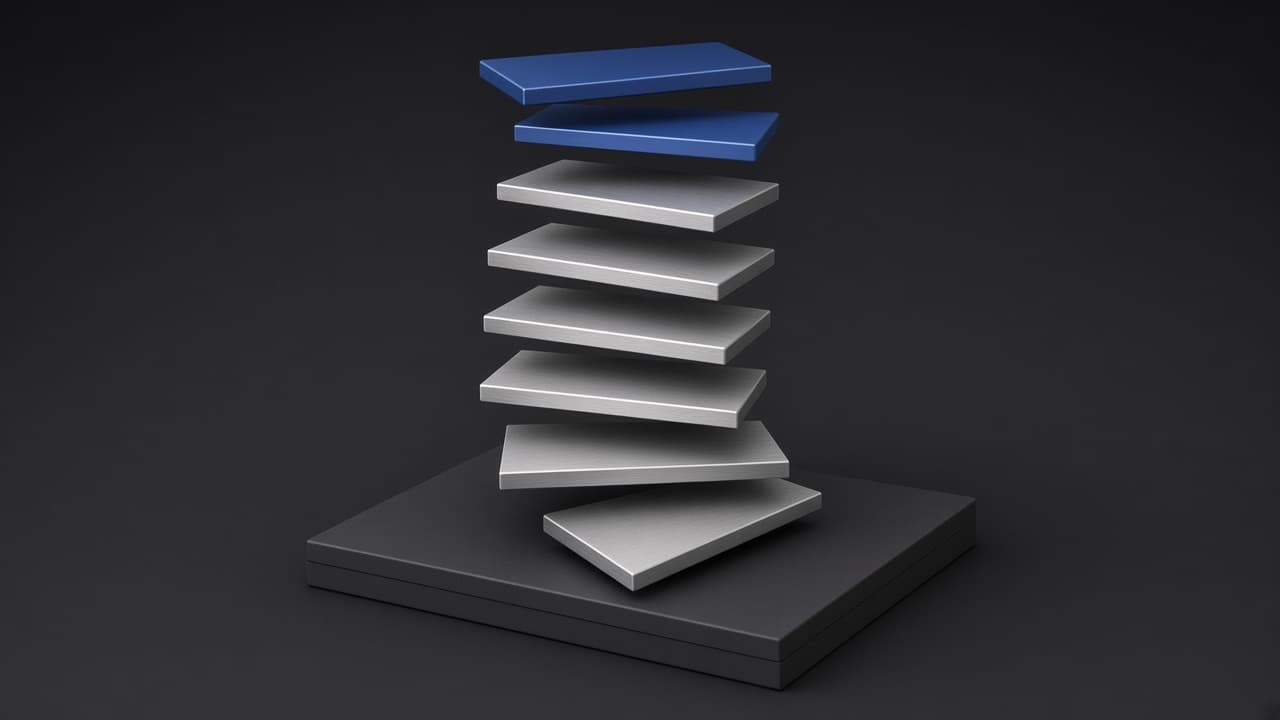
Run the same month again with MS Duplex in place. The week-one correction applies from the next request, in any session and on any model. The configuration that failed stops being proposed, and the record shows why. The new calibration replaces the old value from the next request, with the history of the change kept. The expert explains the limit once.
The next session starts where the work stands
Forgetting also happens between people and between models. A colleague picks up the project. The team moves to a newer model. In most setups, either change resets what the AI knows about the work.
In MS Duplex, the goal, the decisions, the approved methods and the progress carry into every new session as a compact picture of the work, with every source on record. The agents you authorize start from the same picture, on whichever model they run. The experience lives in a store your organization owns, so a new model starts with everything the team has built.
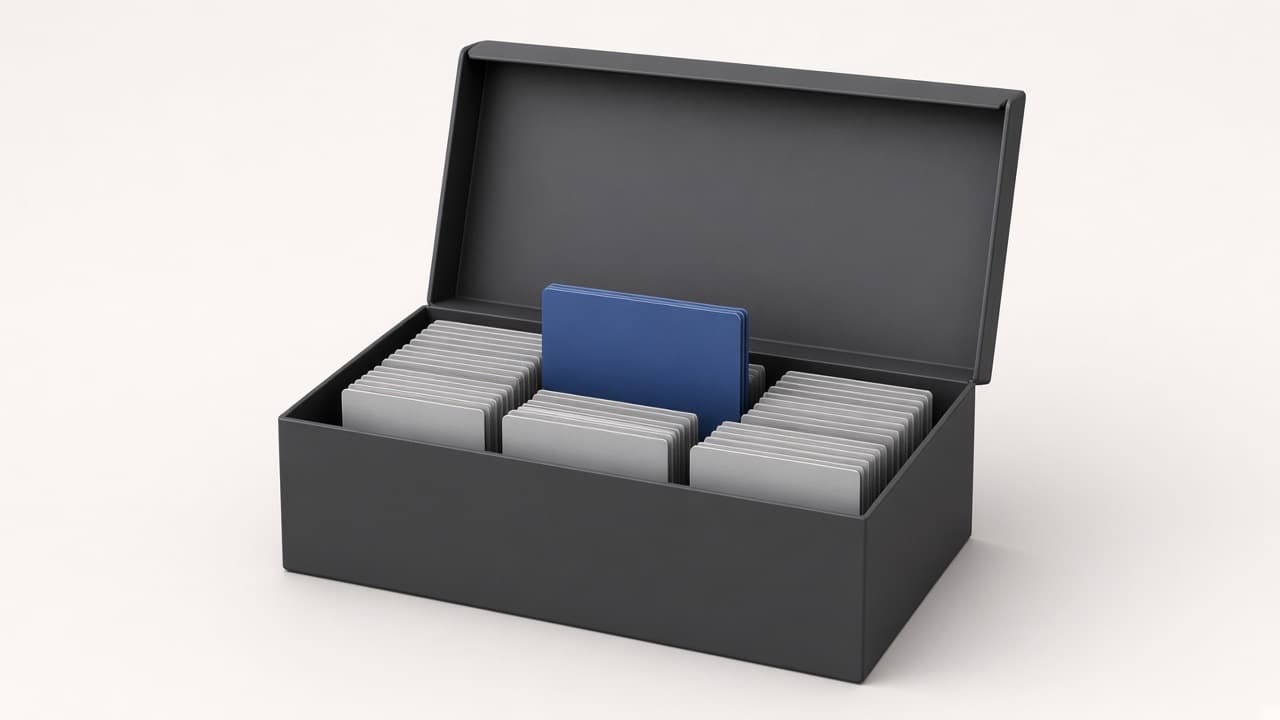
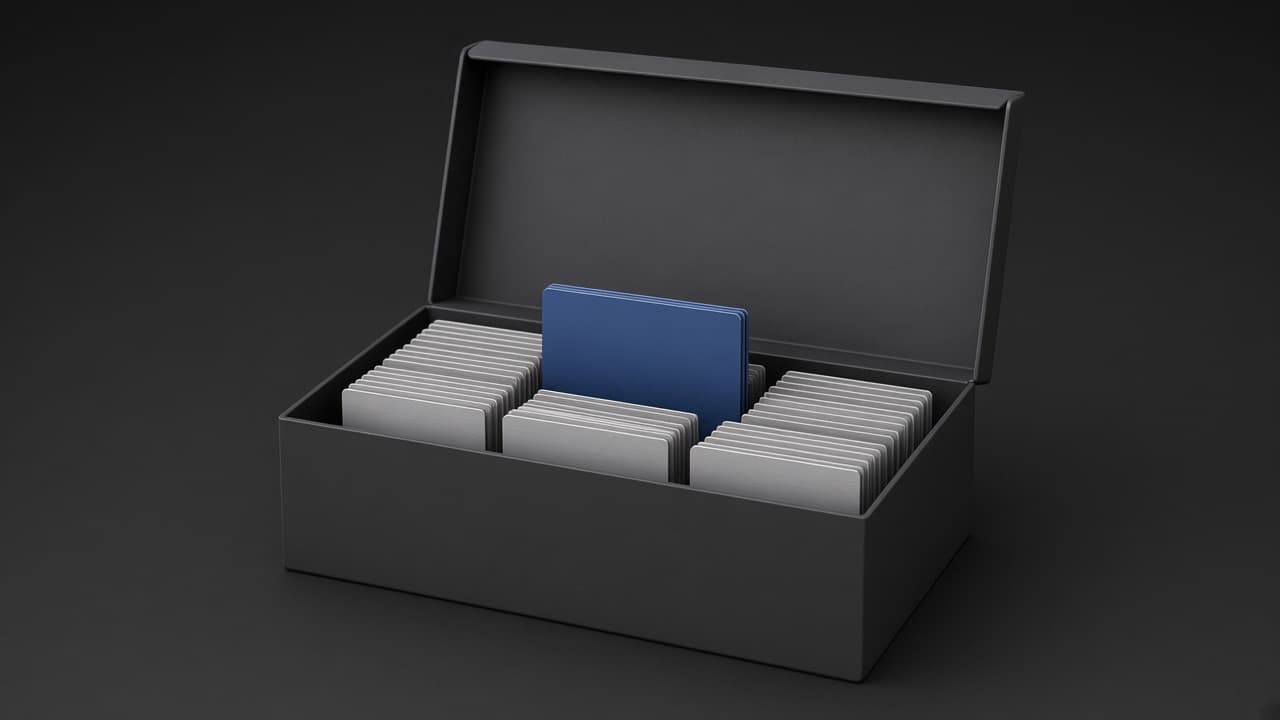
An AI that keeps experience also has to be governed. Each lesson can be reviewed, corrected or removed on its own. Correct one and only that one changes; remove it and the recommendations that depended on it go with it, while everything else stays. Personal, team and organization layers keep a researcher’s habits personal and a team’s confirmations within that team, by your rules, and nothing is shared with another company.
Common questions
Why can’t the model remember on its own?
Its knowledge is fixed when training ends. Teaching it something new means preparing a dataset and running another training cycle, so what your team learns between cycles is missing from each new session.
Is a longer notes file enough?
A notes file helps while it is short and current. As it grows, old lines stay until someone deletes them, and the model has to judge which still hold. MS Duplex keeps confirmed outcomes with their conditions and history, so the newest confirmed value applies.
What happens when a fact changes?
The newest confirmed value applies from the next request, and the history of the change is kept. On stale answers after facts changed, MatterSpace’s controlled tests measured 0% vs 57%, MS Duplex beside standard retrieval.
Do we have to change the AI tools we use?
No. MS Duplex plugs into Claude, Codex, Cursor and other agents that speak MCP, and into your own agents and pipelines through the API and Python SDK. Your scientists and engineers keep the AI they already use.


Built by MatterSpace
MatterSpace builds MS Duplex for scientists, researchers and engineers in every field, so the AI they already use learns from every result they confirm.