A research team teaches its AI something every week. An expert explains why a method fails beyond a known limit. A run confirms which settings worked. A new calibration replaces an old reference value. In most setups none of it sticks. The next session starts from what the model knew on the day its training ended, and the team pays for the same lesson again.
Today MatterSpace is introducing MS Duplex: self-improving agents for science and engineering teams. MS Duplex plugs into the AI your scientists and engineers already use and makes it learn while you work. Every confirmed result, expert correction and decision becomes experience your agents reuse, so each run starts where the last one ended.
What MS Duplex is, and who it is for
MS Duplex is the self-improving layer of a team’s scientific AI. It sits beside the models and agents you already run, with their weights left as they are. When a test passes, a measurement comes back or an expert approves a conclusion, MS Duplex learns from it and applies the lesson from the next request, wherever the conditions fit.
It is also where a team’s AI work builds up. Confirmed results with their conditions, corrections with their reasons, decisions with the evidence they rested on, verified methods, plans and progress on long campaigns, and which tools worked for which problem: all of it accumulates in a store your organization owns. Change the model, the agent or the vendor, and the team carries on where it left off.
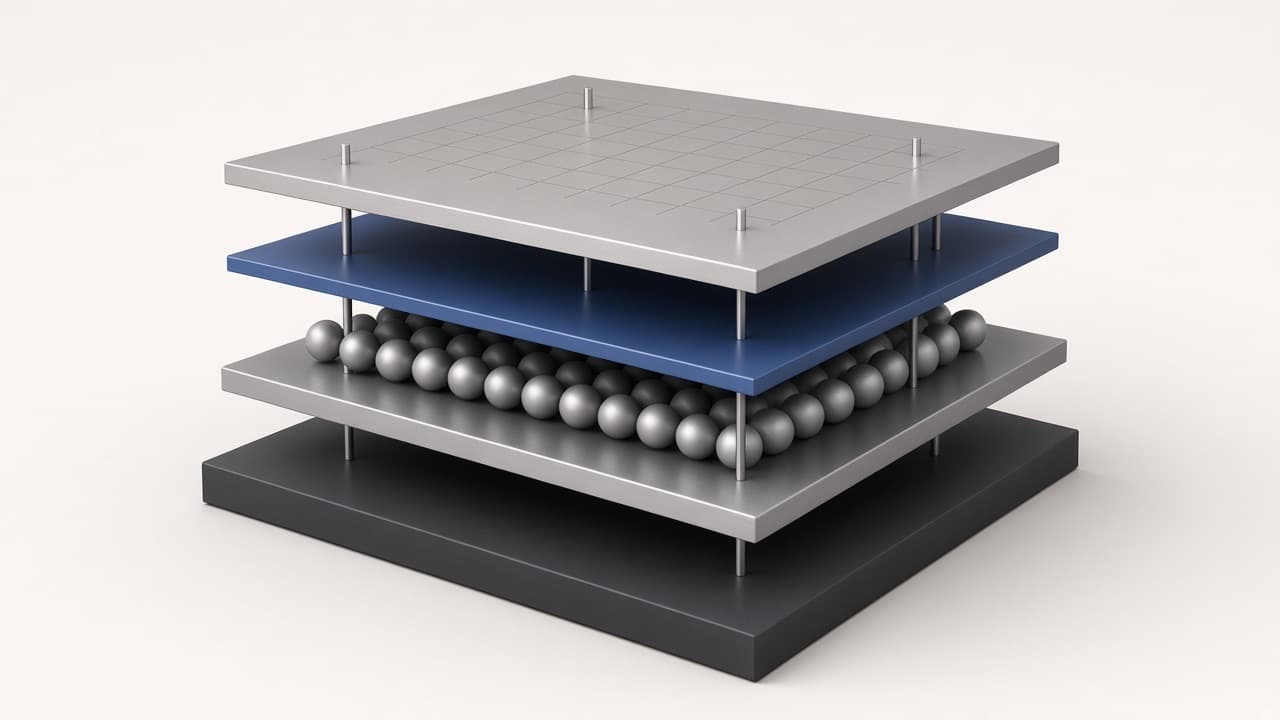
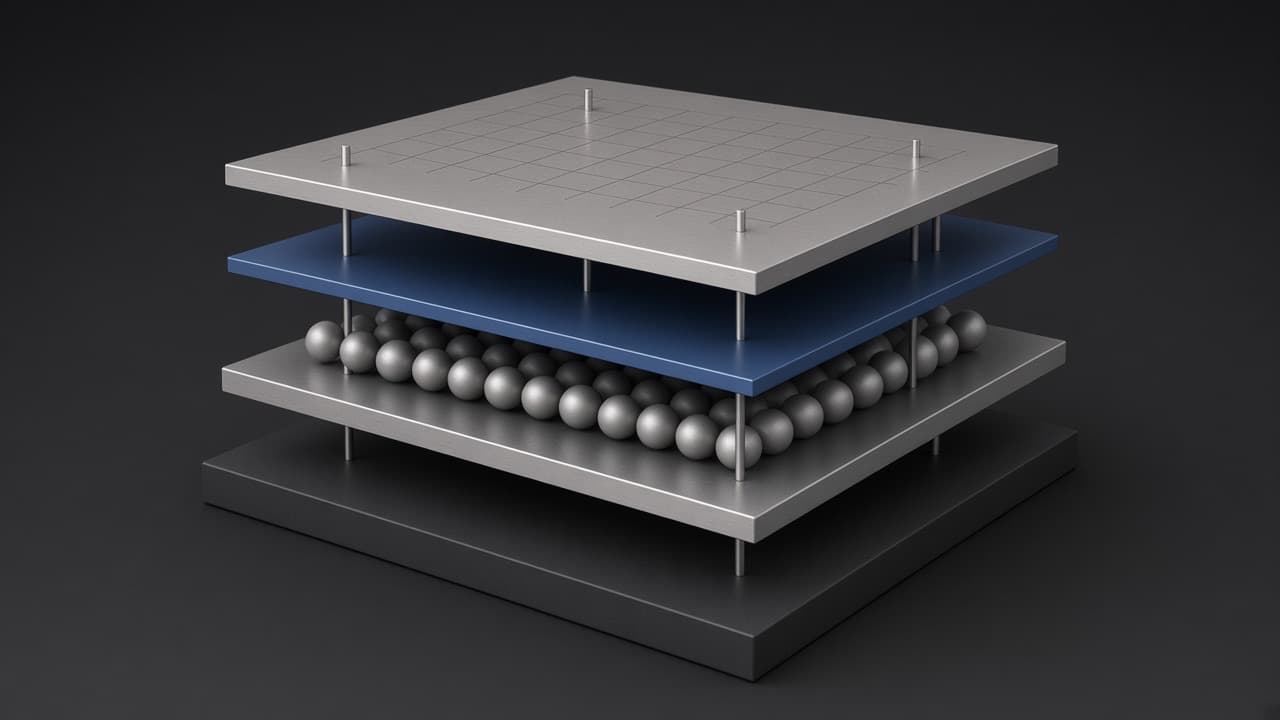
MS Duplex is designed and engineered for scientists, engineers and researchers, and it works in every field. Wherever a team runs experiments, simulations, analyses or design reviews with AI, the loop is the same. The agent works through your tools. A test, a measurement or an expert confirms the result, or corrects it and says why. MS Duplex keeps the outcome with its evidence. The next matching case, in any session, agent or model, starts from it.
It is built for the people who carry that work:
- Research and engineering leaders who want what the team learns to stay with the team, whichever model it runs next.
- Heads of computational research who want fewer repeated runs and decisions another researcher can rebuild from the record.
- Lab and platform leads who need the team’s rules applied, and the right approvals given, before a costly step begins.
- Scientists and engineers who would rather explain a project, and a correction, to their AI once.
Fourteen capabilities in three groups
In MS Duplex, continual learning, self-improvement, long-horizon planning and research memory work as one layer, organized around your team’s goals. There are fourteen capabilities in three groups, and each one makes the others stronger.
Learn and improve
- Continual learning: learns from every confirmed result from the next request on, and keeps what it learned before intact.
- Self-improvement: what worked becomes the first thing your agents try, and what failed stops being proposed.
- Reusable methods: a verified procedure is applied directly on the next case like it, and adapted and proposed for checking on related ones.
- Learning cause and effect: keeps which action led to which outcome, under which conditions, and says when a link has not yet been established.
- Tool learning: learns which tool, setting or method performed well on which kind of problem.
Plan and decide
- Long-horizon planning: campaigns that run for days or weeks stay one job, with their plan, checkpoints and progress.
- Simulation before action: plays the options forward before compute or lab time is spent, and sets aside early the ones that cannot reach the goal.
- Solving new problems: assembles an approach to a new case from what the team has confirmed, and checks it before anyone relies on it.
- Decisions that know their limits: settles what the evidence supports and hands the rest to your model or a researcher, with the reason.
Remember and govern
- Research memory: every session starts from the current state of the work.
- Freedom to switch models: a new model starts with everything your team has built.
- Personal, team and organization layers: each has its own experience, and your rules decide what moves between them.
- Rules and approvals: your rules come first, and the steps you choose wait for a person.
- Provenance, review and unlearning: every lesson keeps its source, and any one can be corrected or removed on its own.
The groups lean on each other. A result confirmed on Monday becomes a method. The method goes into the plan for a long campaign. Research memory carries that plan into the next session, rules decide which steps wait for a person, and provenance shows where every part of it came from.
- +16 ptsmore accurate than a model fine-tuned for the task, on recurring work, with no training run
- −89%fewer model calls than the fine-tuned model on that same work
- 0 of 8,640answers about a changed fact gave the outdated value
All three figures come from MatterSpace’s controlled tests. The first two compare MS Duplex with a model fine-tuned for the task, on the same recurring work. The third counts answers given after a fact had changed, where the AI had to use the newer value. Fine-tuning keeps its place for changing what a model knows across the board, and MS Duplex works beside a fine-tuned model as well as a general one.
It plugs into the AI your team already uses
Scientists and engineers keep the AI they know. MS Duplex connects to Claude, Codex, Cursor and other agents that speak MCP, the open standard for giving AI agents tools. Teams that build their own research agents and pipelines add MS Duplex through its API and Python SDK, with the same learning behind every one.
There are two ways to connect. With a standard connection, your agent calls MS Duplex to bring back relevant experience, follow the plan and record the outcomes you allow. It is the fastest way to start. In supported environments with hooks, a governed connection passes the steps you select through MS Duplex, so your rules apply before a costly simulation or run begins.
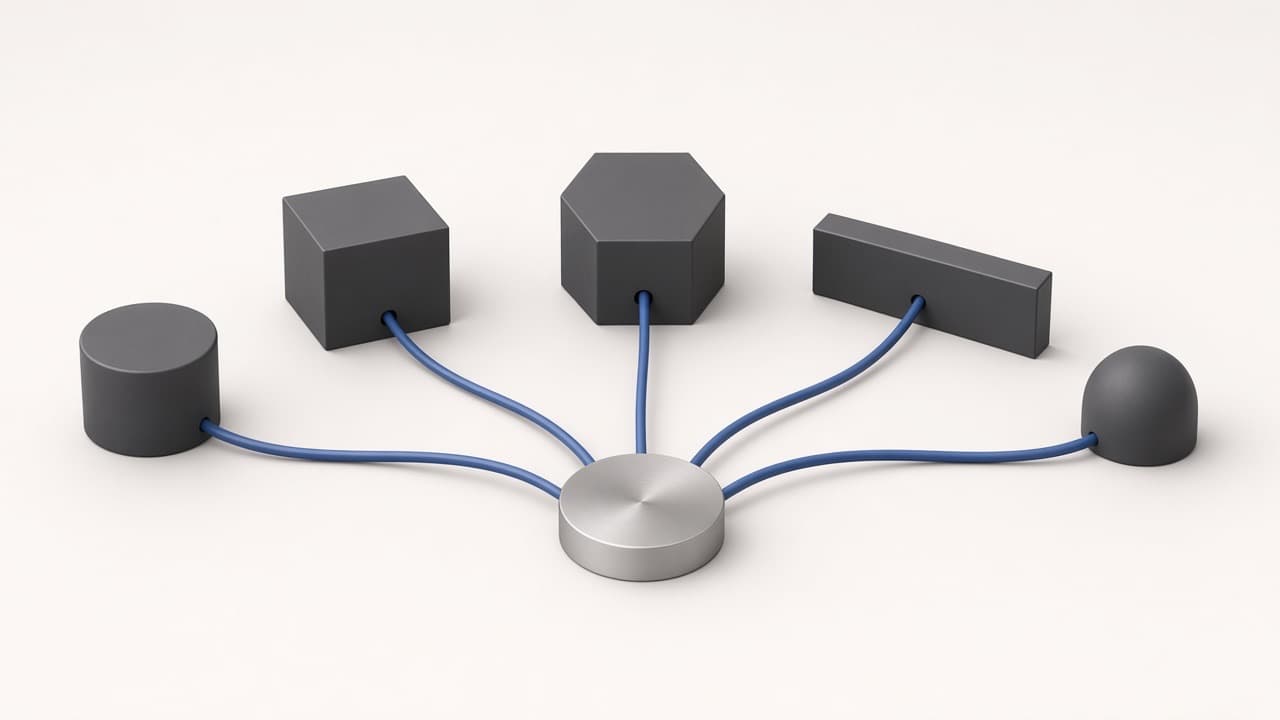
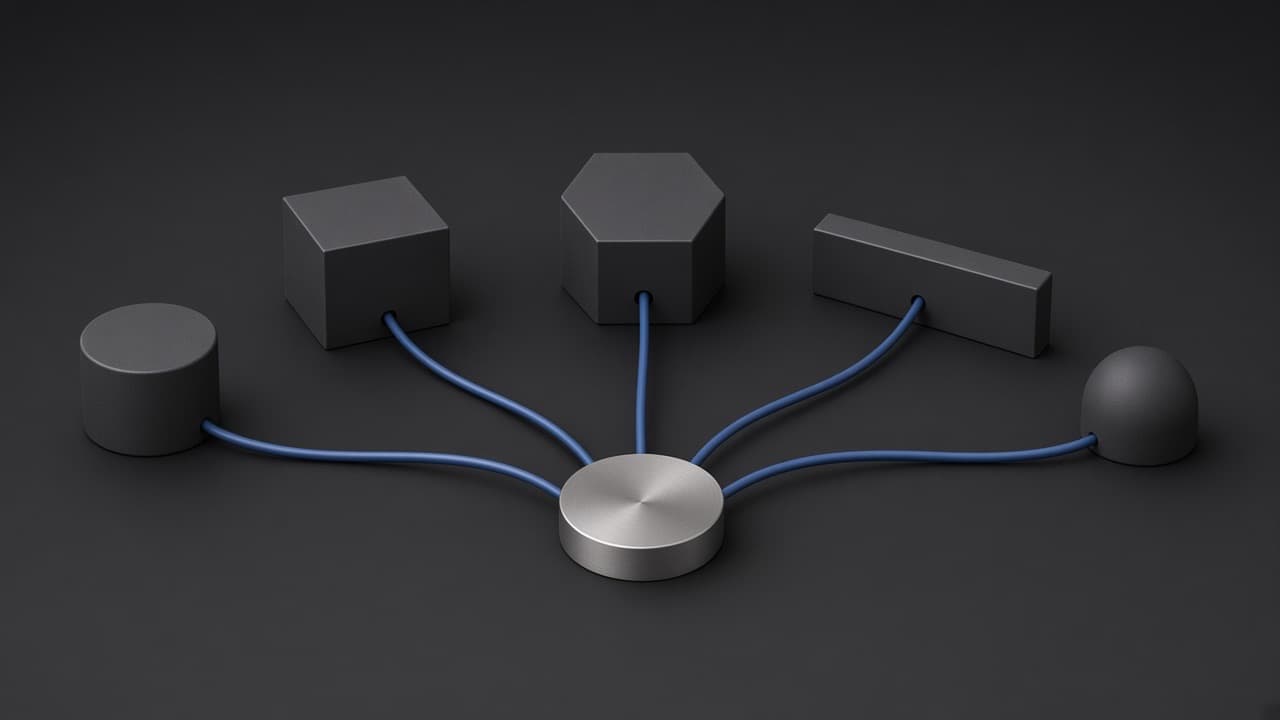
Your models, tools and data stay yours. Agents keep reaching simulators, analysis code, databases and instruments through their own connections. MS Duplex learns from the outcomes and expert corrections your team chooses to capture, and your rules decide what is shared between a researcher, a team and the organization. None of it is shared with another company.
Say a scientist or engineer corrects an agent’s ranking of candidates because the method it used fails beyond a known operating limit, and records why. Two days later a colleague’s agent, on a different model, meets a related case. MS Duplex brings back the correction with its source and shows which assumption has changed. Nobody had to add a line to a notes file or explain the limit a second time.
One learning layer for every field
MS Duplex is MatterSpace’s learning layer for every kind of scientific and engineering work. What it learns from is common to research in any field: methods, decisions, the conditions a result holds under and the outcomes that followed. Each team’s experience stays its own, in its own layers and under its own rules.
How to start: a pilot on your own work
The fair test of an AI that claims to learn is the work your team does again and again. A pilot runs on your own workflows, beside your current setup, and your experts are the judges.
- Choose the workPick recurring research workflows where decisions repeat and a wrong or unnecessary run is expensive: recommending settings for the next run, ranking candidates, reviewing analyses.
- Agree the measureSettle it with your experts before anything runs: the cost of each accepted, reproducible result, and the expert time it takes.
- Run it side by sideThe same model, tools, data and budget, with and without MS Duplex, and with a governed connection where it fits.
- Judge it blindYour experts score the results without knowing which setup produced them.
Where MS Duplex runs and how your data is handled are agreed with your security and data owners from the first conversation. The experience a pilot builds belongs to your organization, with every lesson and its source on record for your team to review, correct or remove.
Common questions
Does MS Duplex change our model?
It leaves the model’s weights as they are. MS Duplex learns beside the model, which is why a lesson is ready from the next request, why one lesson can be corrected on its own and why the experience comes along when you change models.
What does it learn from?
From the outcomes and expert corrections your team chooses to capture: a passed test, a measurement, an approved conclusion, a correction with its reason. Each lesson keeps its source and the conditions it holds under.
Is MS Duplex tied to one scientific field?
No. It works in every field where a team does research or engineering with AI.
Who owns what it learns?
Your organization. The experience lives in a store your organization owns, governed by your rules and shared with no other company. Your team can inspect any lesson, correct it, remove it or restore it.


Built by MatterSpace
MatterSpace builds MS Duplex for scientists, researchers and engineers in every field, so the AI they already use learns from every result they confirm.