

MS DuplexFreedom to switch modelsShow allShow less
Freedom to switch models.
Change models and carry on where you left off.
In MS Duplex, the experience your team builds lives beside the model, with its weights left as they are. A new model starts with everything your team has confirmed, and the work carries on where it left off.
Remember and govern · one of the fourteen capabilities of MS Duplex
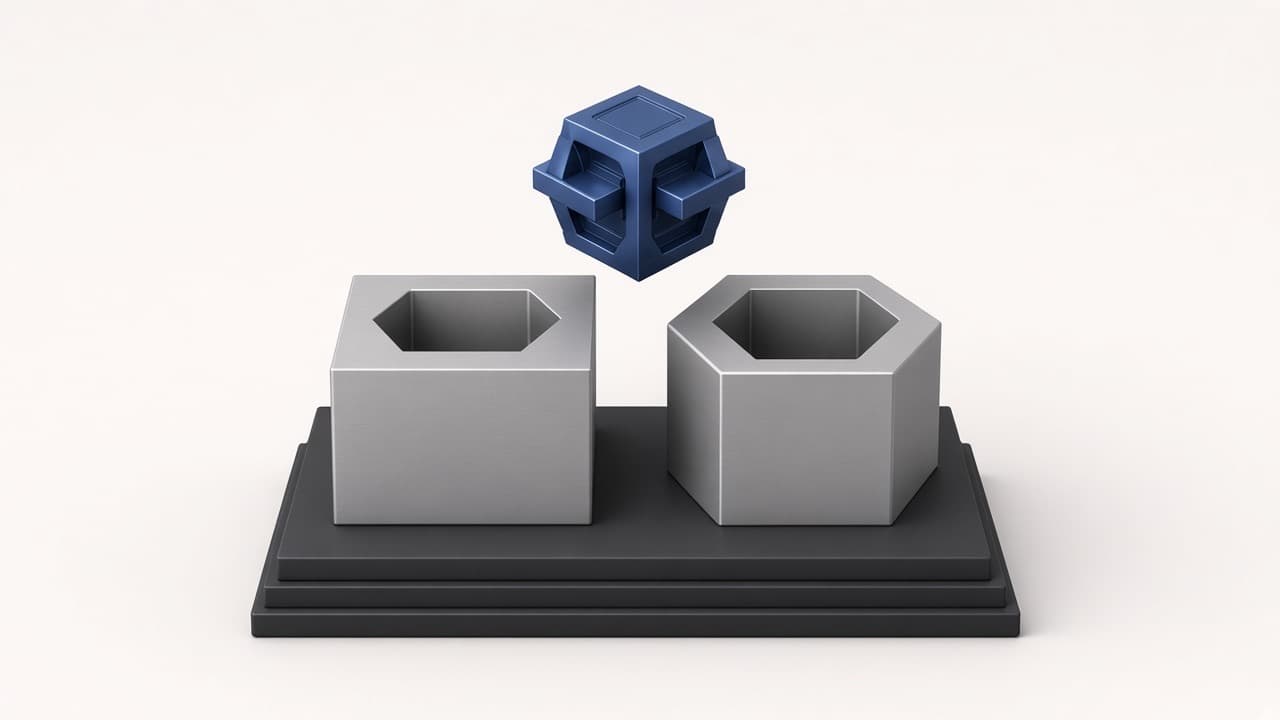
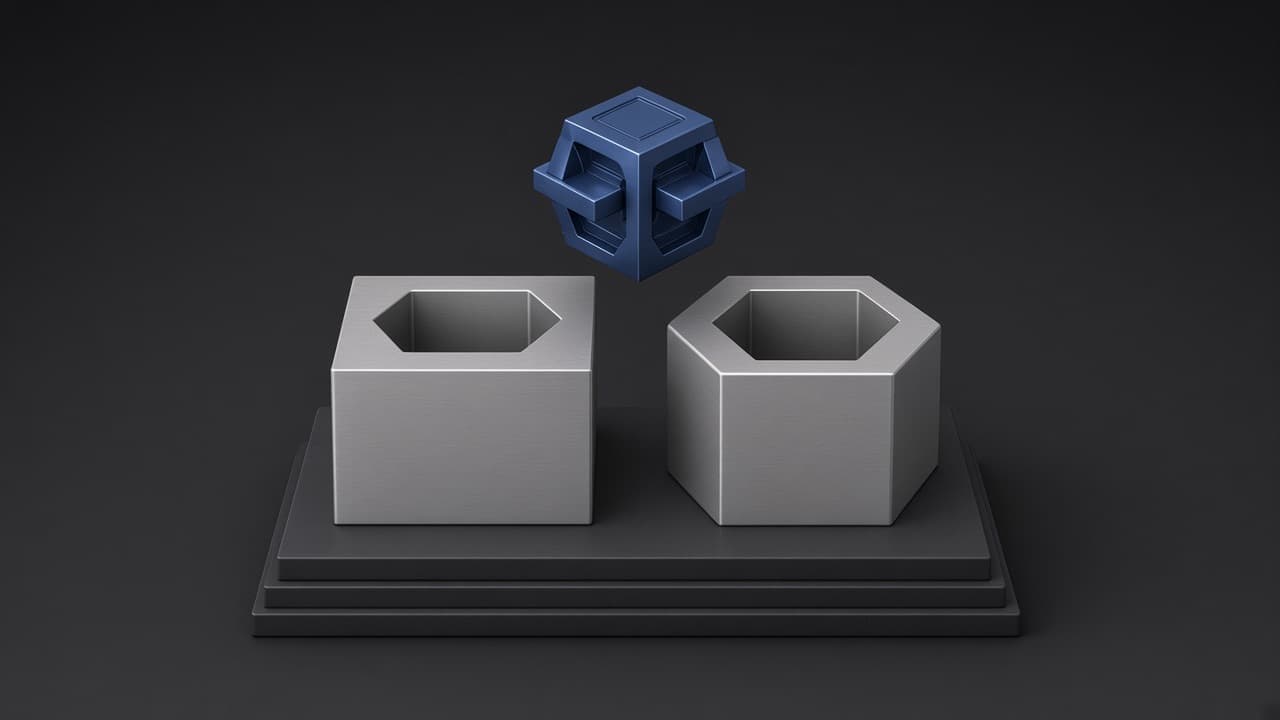
Your team gets
- No lock-in to one model or vendor
- Every upgrade starts fully informed
- The value of your AI work keeps compounding
What freedom to switch models means for your team.
Freedom to switch models means the value of your AI work stays with your team when the model changes. The confirmed results, expert corrections, decisions, methods and plans your team builds up live in MS Duplex, in a store your organization owns.
A model on its own holds what it was trained on. Teaching it your work through a training run ties that work to one model, and the next release starts again. MS Duplex keeps the experience beside the model instead, with the model’s weights left as they are, so a new model starts with everything your team has built.
Your team can choose the model that fits each task, adopt a new release when it suits the work, and move between Claude, Codex, Cursor and other agents that speak MCP. The experience comes along every time, with every source on record.
Why research needs freedom to switch models.
Models improve quickly, and research teams want the best one for each task. Every switch should keep what the team has built and add to it.
A research team’s experience with its AI is expensive to build: the corrections experts made, the methods the team verified, the conditions it confirmed through compute and lab time. When that experience is tied to one model, every upgrade puts it at risk, and teams stay on an older model because moving would cost too much.
Different tasks also suit different models. One may reason best through a hard analysis, another may suit recurring work at a lower cost. A team should be able to use both on the same project, with both drawing on the same experience.
Models change often
New releases keep arriving, and each one should start from what your team already knows.
Experience is costly to build
Every correction and confirmed result cost expert time, compute or lab time, and should outlast any one model.
Tasks differ
The best model for one task may be a different model from the best for the next, and the team should be free to choose.
The work is yours
What your team learned from its own research belongs to your organization, whichever vendor it uses.
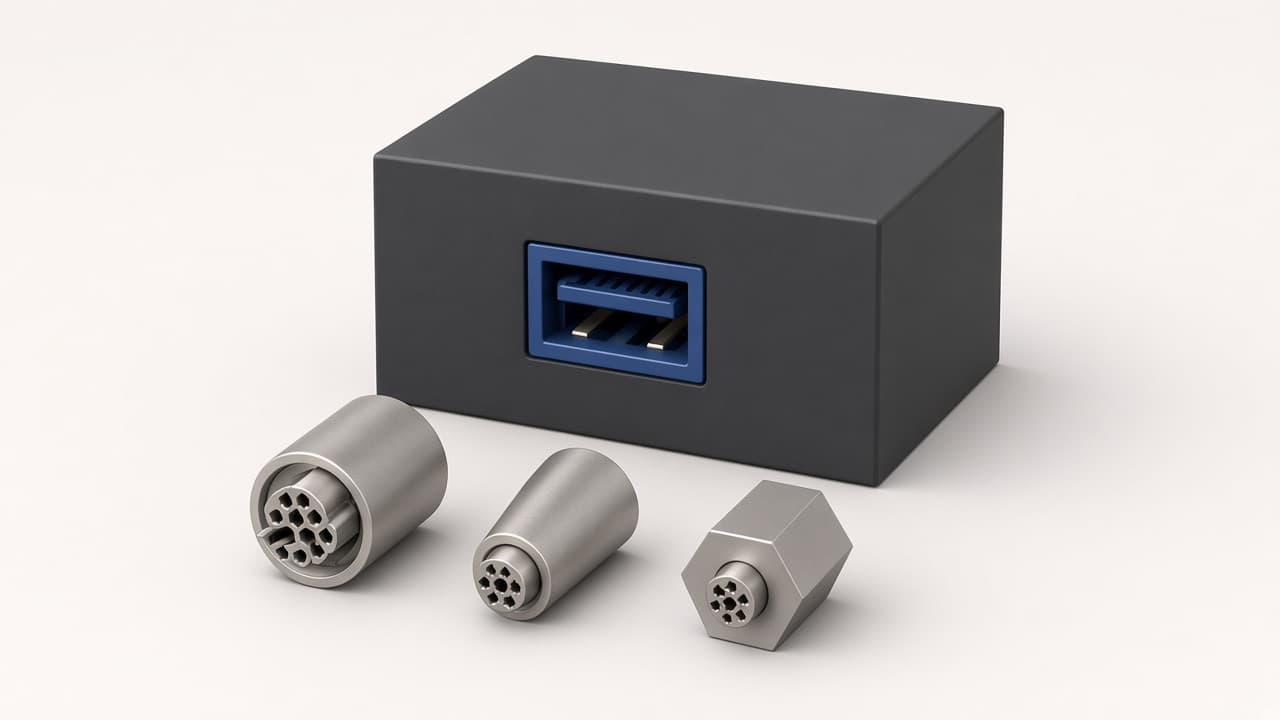
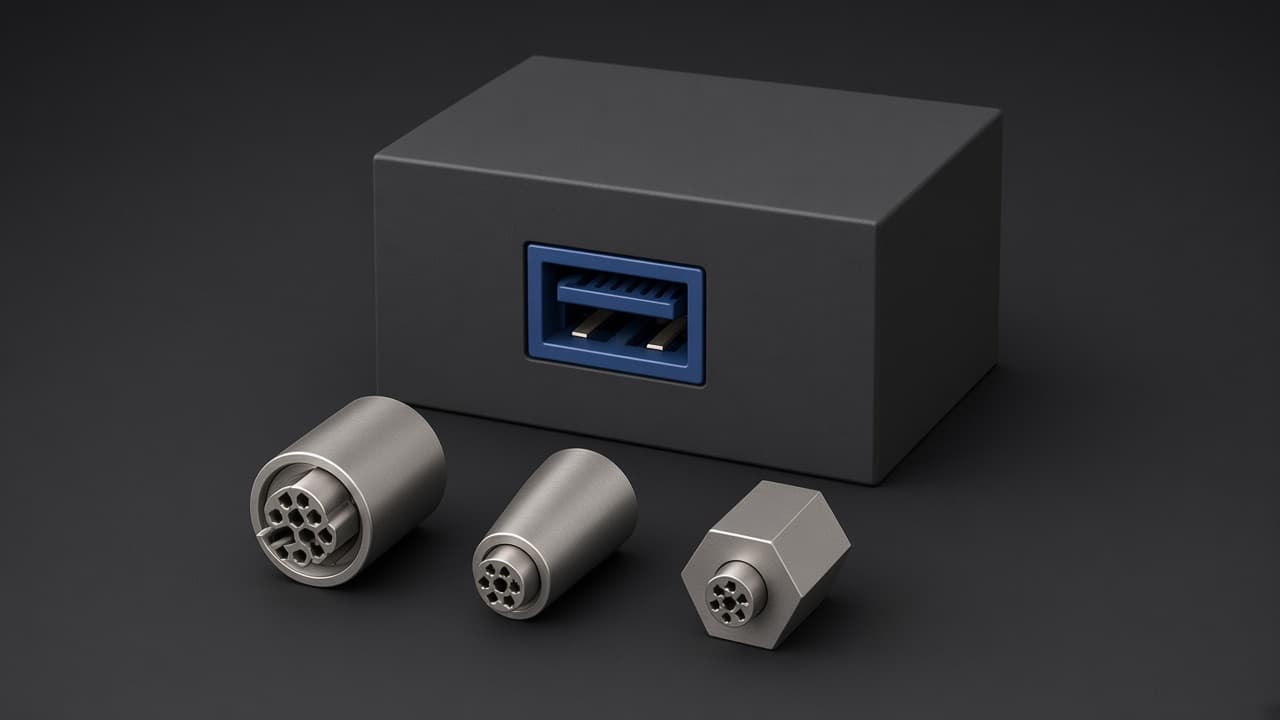
How model freedom works in your team’s day.
Your team works with whichever models and agents suit the work. MS Duplex keeps the experience in one place they all draw on.
- 1
Your team works
Scientists and engineers use Claude, Codex, Cursor, another agent that speaks MCP or your own agents through the API and Python SDK.
- 2
The experience builds up
Confirmed results, corrections, decisions, methods and plans accumulate in MS Duplex, each with its source.
- 3
The model changes
Your team adopts a new release, picks a different model for a task or moves to another vendor.
- 4
The work carries on
The new model starts from everything your team has built and picks up the work where it left off.
An example, in any field where a team runs its work through AI.
A team’s agent plans runs and evaluates designs for a long project. Partway through, the team changes models, and the work keeps its place.
- 1
The experience builds
Early in the project, experts correct the agent, confirm several results and approve two methods. MS Duplex keeps each one with its evidence and conditions.
- 2
A new release
A newer model arrives that the team wants for its hardest analyses. They switch the agent over to it.
- 3
The first request
The new model’s first request already draws on the corrections, the confirmed results and the approved methods, and follows the plan from its current checkpoint.
- 4
Two models, one project
The team keeps the earlier model for recurring screening and uses the new one for hard analyses. Both draw on the same experience, and what either one confirms is there for the other.
Freedom to switch models makes the rest of the layer last.
Everything the other capabilities learn and keep is what comes along when the model changes.
Research memory across sessions
A new model opens on the current state of the work: the goal, the decisions, the approved methods and the progress.
Continual learning
What the team confirms is learned beside the model, so every lesson carries over when the model changes.
Reusable methods
The methods your team verified are applied by the new model as well, and re-verified where they are used.
Provenance, review and unlearning
Every lesson keeps its source across the switch, so the team can see what the new model relies on.
What your team gets.
The value of your AI work keeps compounding, whichever model your team uses.
No lock-in
Your team’s experience stays free of any single model or vendor.
Fully informed upgrades
Every new model starts with everything your team has confirmed, from its first request.
The right model for each task
Use different models for different work, all drawing on the same experience.
Experience you own
Results, corrections, decisions, methods and plans accumulate in a store your organization owns.
Value that compounds
Each switch keeps what the team has built, so the value of your AI work keeps growing.
Every source on record
Each lesson keeps its source, so the team can see what any model relies on and where it came from.
Common questions.
Make the next run benefit from the last.
Bring us the research your AI should get better at. We will plan a pilot on your own workflows, with your experts as the judges.