

MS DuplexTool learningShow allShow less
Tool learning.
Your agents learn which tool fits which problem.
MS Duplex learns from how each tool performed on each kind of problem. The next choice of tool, setting or method starts from that experience, and your tools stay as they are.
Learn and improve · one of the fourteen capabilities of MS Duplex
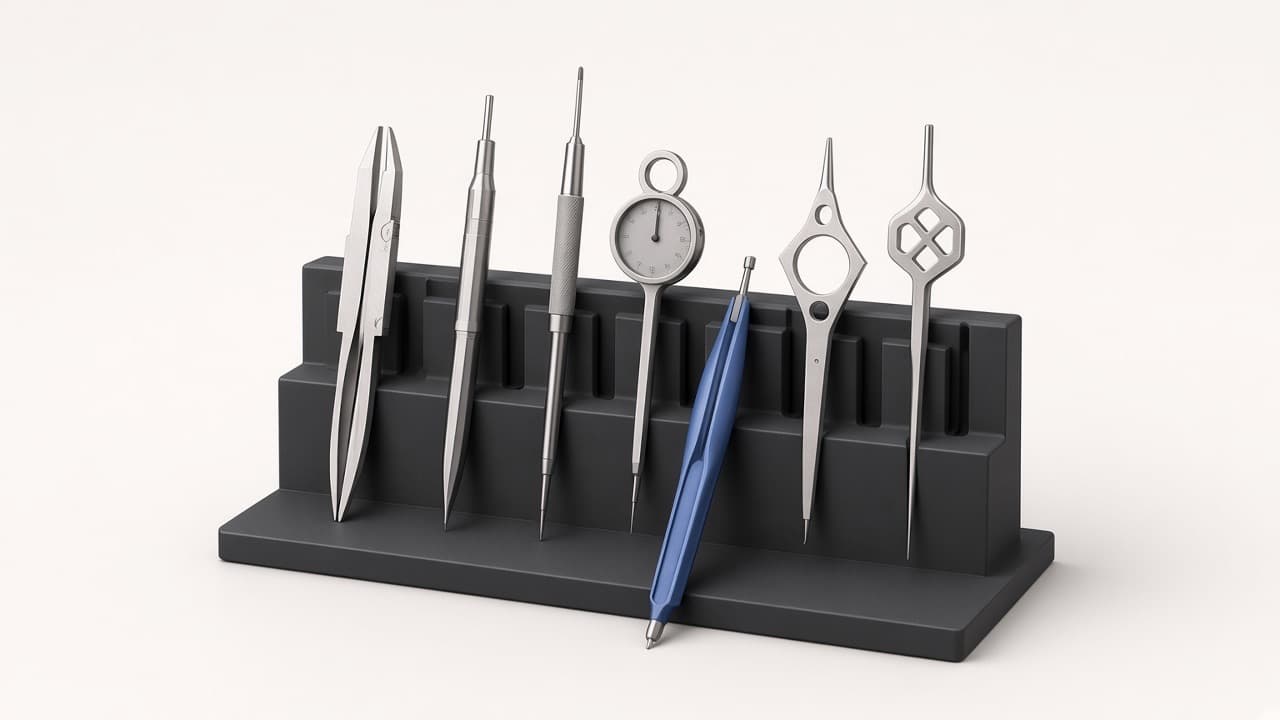
Your team gets
- Better tool choices with every run
- Your existing tools, used more effectively
- One view of what each tool is good for
What tool learning means for your team.
Tool learning means your agents learn from the tools they use. Each time an agent runs a simulator, analysis code, a database query or an instrument, the outcome shows how well that tool, with those settings, served that kind of problem. MS Duplex keeps that experience and brings it to the next choice.
Your agents keep reaching your tools through their own connections. MS Duplex sits beside them and learns from what happened: which tool gave a confirmed result, which one fell short, and under which conditions. Your tools do not have to change for this.
Over time this builds one view of what each tool is good for, drawn from your team’s own outcomes. A new researcher, a new agent or a new model starts with that view instead of working it out again.
Why research needs AI that learns its tools.
Research teams run on tools. Choosing the right one, with the right settings, is often where the cost of a result is decided.
Most teams have more than one way to answer the same question: a faster method and a more thorough one, two simulators with different strengths, an analysis that works well on one kind of data and poorly on another. Which one fits a given problem is know-how that experienced researchers carry, and that an agent starting a new session does not have.
Without tool learning, agents choose tools from general knowledge and the instructions they are given. They reach for a tool that has already fallen short on this kind of problem, use settings someone already found wanting, and spend compute and instrument time on runs the team could have predicted.
Tools have strengths
Each tool fits some problems better than others, and your own outcomes show which.
Settings matter
The same tool with different settings can give a useful result or a wasted run.
Runs are expensive
A run on the wrong tool costs compute or instrument time that a better choice would have saved.
Know-how moves on
What experienced researchers know about your tools should stay with the team when they change roles.
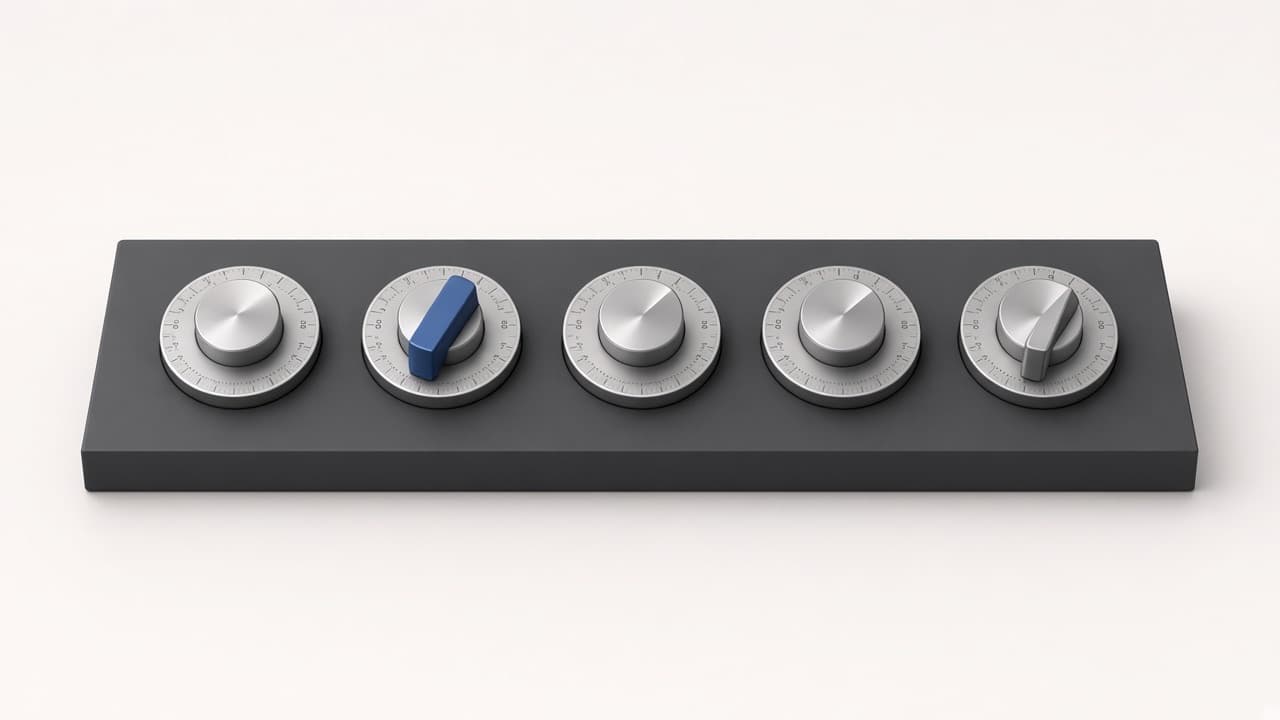
How tool learning works in your team’s day.
Your agents keep using your tools the way they do today. MS Duplex learns from how each one performed and brings that to the next choice.
- 1
Your agent picks a tool
It runs a simulator, analysis code, a database query or an instrument through its own connection, with the settings it chose.
- 2
The outcome is confirmed
A test, a measurement or an expert confirms the result, or corrects it and says why.
- 3
The experience is kept
MS Duplex records how that tool and those settings performed on that kind of problem, with the evidence and the conditions.
- 4
The next choice is better informed
On the next similar problem, in any session, agent or model, the agent starts from what worked. Where conditions differ, MS Duplex says so.
An example, in any field where an agent runs analyses.
A team’s agent chooses between two analysis tools for a recurring kind of problem. Over a few weeks, its choices get better without anyone writing a guide.
- 1
A slow default
At first the agent uses the more thorough tool every time. An expert notes that the faster tool gives the same confirmed answer on simple cases, and records why.
- 2
A setting that fails
On a harder case, the faster tool with its default setting returns a result that does not hold up. The expert corrects it, and MS Duplex keeps the setting and the conditions it failed under.
- 3
A better first choice
On the next simple case, the agent picks the faster tool. On the next hard one, it goes straight to the thorough tool and leaves the failed setting aside.
- 4
A shared view
A colleague’s agent, on a different model, meets the same kind of problem. It starts from the same view of which tool fits which case, with every source on record.
Tool learning makes the other capabilities sharper.
What MS Duplex learns about your tools feeds every choice the rest of the layer makes.
Simulation before action
Before a costly run, the options are weighed using what your team has learned about each tool, so the budget goes where it is most likely to move the work forward.
Learning cause and effect
The link between a tool, its settings, the conditions and the outcome is kept, so a recommendation shows what it rests on.
Reusable methods
A tool and setting confirmed for a kind of problem becomes part of a method your agents reuse and adapt.
Decisions that know their limits
Where the experience clearly shows which tool fits, the choice is made directly; where it is thin, it goes to your model or a researcher.
What your team gets.
Agents that get better at using your tools, with every choice tied to your team’s own outcomes.
Better tool choices
Each run adds to what your agents know about which tool fits which problem.
Better settings
Settings that worked are tried first, and settings that fell short stop being proposed.
Your existing tools
Your simulators, analysis code, databases and instruments stay as they are, used more effectively.
One view of every tool
What each tool is good for, drawn from your own outcomes, in one place your team can review.
Fewer wasted runs
Agents stop reaching for a tool that has already fallen short on that kind of problem.
Know-how that stays
What your team learns about its tools stays with the team, across people, agents and models.
Common questions.
Make the next run benefit from the last.
Bring us the research your AI should get better at. We will plan a pilot on your own workflows, with your experts as the judges.