The clearest way to know whether an AI that learns will help your team is to watch it learn from your team’s work. A demo runs on someone else’s problem. A pilot runs on yours, and the people who know the work best decide whether it helped.
This guide walks through planning an MS Duplex pilot in the order a research leader should think about it: the work to choose, the four steps, the workflows and the connection, who judges and what to measure, and what your team receives. It assumes no particular field. Wherever your team runs experiments, simulations, analyses or design reviews with AI, the plan is the same.
Start from the research your AI should get better at
MS Duplex makes the AI your team already uses learn from confirmed results, expert corrections and decisions. Its value shows most where the same kinds of decisions come back again and again, so the pilot should start there. A decision made once gives the system little to learn from. A decision your team makes every day gives it something to improve on each time.
Good candidates for a pilot share a few traits:
- The decisions repeat: the same kind of choice comes back across projects, people or runs.
- Outcomes get confirmed: a test, a measurement or an expert review shows whether the AI’s proposal held up.
- Mistakes cost something: a wrong or unnecessary run spends compute, instrument time, materials or an expert’s attention.
- Experts already correct the AI: the same correction has been made more than once, by the same people.
- The work spans sessions or people: a hand-off or a new session currently means explaining the project again.
In most research organizations that points to familiar work: recommending settings for the next run, ranking candidates for testing, planning a batch of runs toward a target, choosing which tool or method to use for an analysis, or reviewing analyses before they are marked final. Pick one or two workflows. A narrow pilot with a clear measure tells you more than a broad one with a vague measure.
Say a team’s agent recommends settings for a recurring analysis, and a senior scientist or engineer keeps correcting it for ignoring a known limit of the method. That is a strong pilot candidate. The decision repeats, the outcome is confirmed by measurement, and the correction has an owner who can judge whether it sticks.


The four steps of a pilot
Every MS Duplex pilot follows the same four steps. They are set up so the result stands up to your own experts and to anyone they report to.
- Choose the workPick recurring research workflows where decisions repeat and a wrong or unnecessary run is expensive. Name the people who own those workflows, since they will confirm outcomes and judge the results.
- Agree the measureBefore anything runs, settle with your experts how the pilot will be judged: the cost of each accepted, reproducible result, and the expert time it takes to get there. Writing it down first keeps the comparison fair.
- Run it side by sideUse the same model, tools, data and budget with and without MS Duplex, so the learning layer is the only difference. Where your environment supports it, add a governed connection so your rules apply before costly steps begin.
- Judge it blindYour experts score the results without knowing which setup produced them. Their scores, against the measure you agreed, are the outcome of the pilot.
The order matters. A measure chosen after the results are in invites argument. A comparison without a matched baseline cannot separate the learning layer from a better model or a bigger budget. Blind scoring keeps everyone’s expectations, ours included, out of the verdict.
Choosing the workflows and the connection
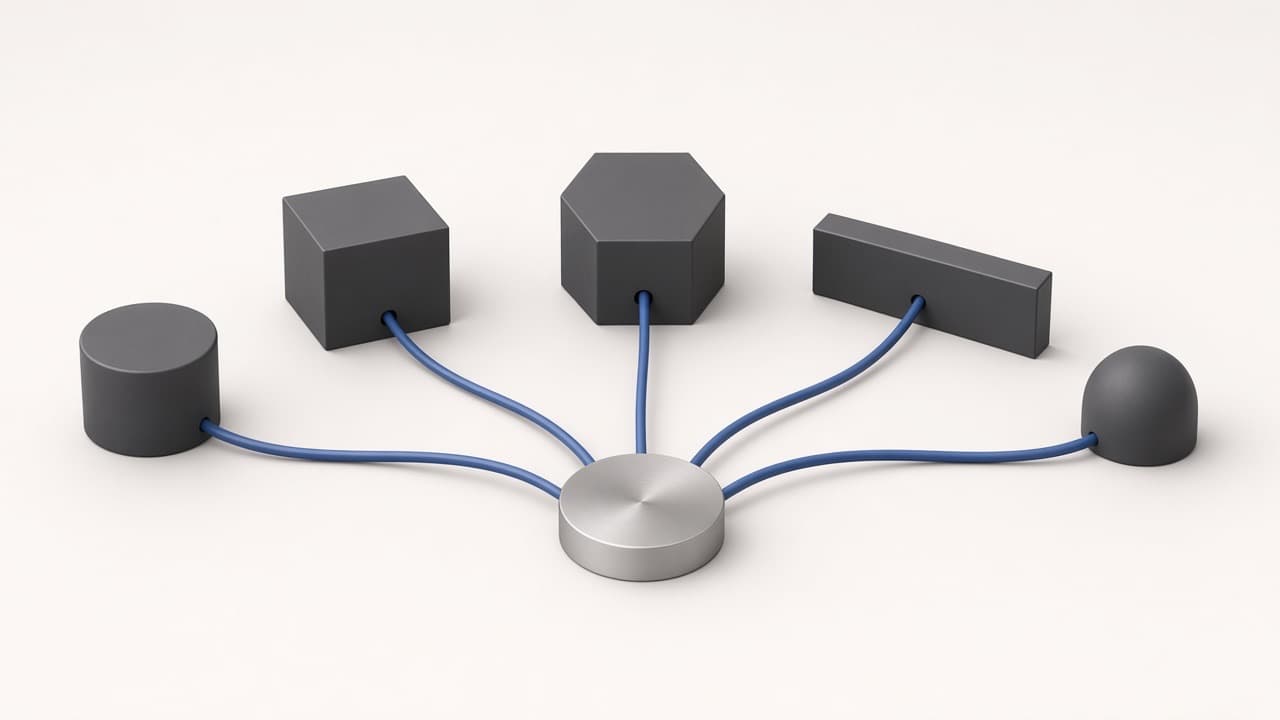
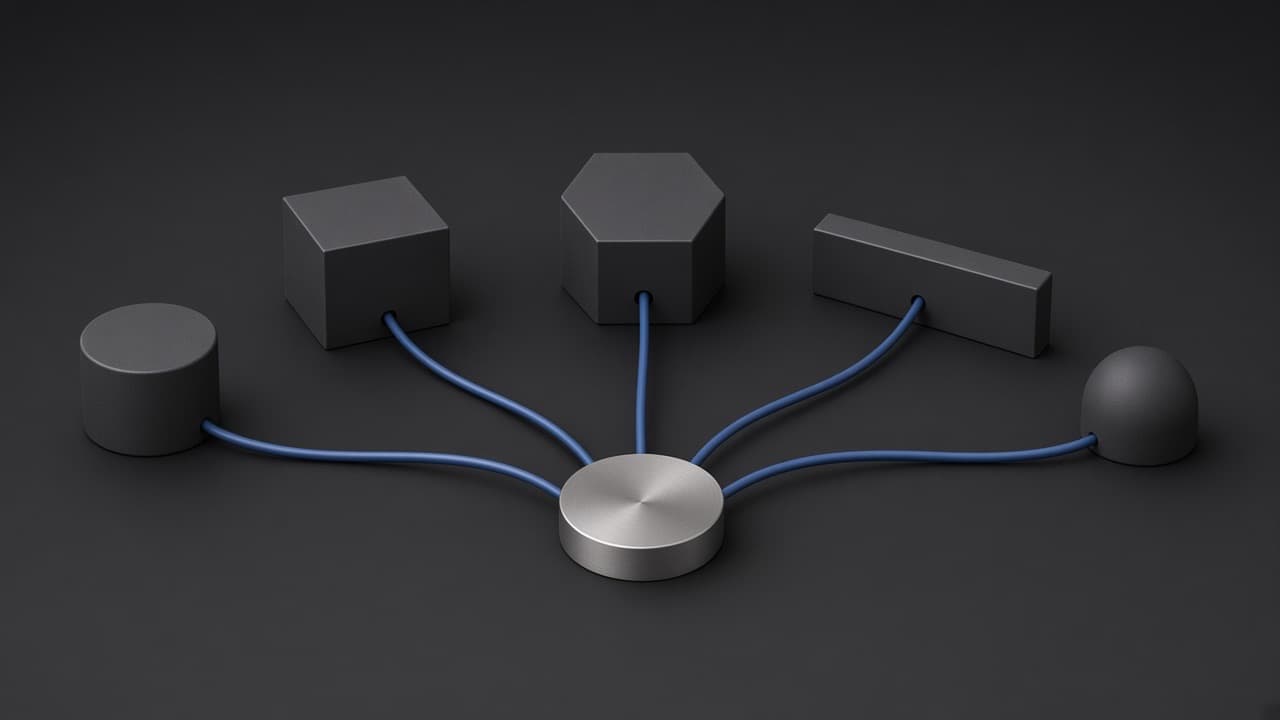
MS Duplex plugs into the AI your scientists and engineers already use, so they keep the tools they know. Decide which of these the chosen workflows run through:
- Claude, Codex, Cursor or another agent that speaks MCP, the open standard for giving AI agents tools.
- Your own research agents and pipelines, through the MS Duplex API and Python SDK.
Then choose the connection. With a standard connection, your agent calls MS Duplex to bring back relevant experience, follow the plan and record the outcomes you allow. It is the easiest way to start. In supported environments with hooks, a governed connection passes the steps you select through MS Duplex, so your rules apply before a costly simulation or run begins and the steps you mark for approval wait for a person.
Settle three things with the workflow owners before the first run. First, which outcomes are captured: passed tests, measurements, approved conclusions, corrections with their reasons. Second, who confirms them. Third, which rules apply from the start, such as a budget limit or a step that needs approval. MS Duplex learns from the outcomes and corrections your team chooses to capture, so this list shapes what the pilot can show.
Who judges, and what to measure
The judges should be the experts who own the work: the people who would otherwise correct the AI, approve its conclusions and decide what goes forward. Choose them before the pilot starts and keep them out of the setup, so they score results without knowing which setup produced them.
The headline measure is the one agreed in the second step: the cost of each accepted, reproducible result, and the expert time it takes. “Accepted” means your experts would act on it. “Reproducible” means another researcher could rebuild it from the record. Both are judgments your team already makes. The pilot asks you to make them consistently, and blind.
Alongside the headline measure, ask the judges and workflow owners to note what they see in the record:
- Corrections an expert had to make more than once
- Runs proposed on approaches the team had already seen fail
- Decisions MS Duplex settled directly, and those it handed to the model or a person, with the reason
- How a new session or a hand-off picked up the work
- Whether each recommendation could be traced to its source
These notes do not replace the measure. They explain it, and they show where the learning layer helped most and where it made little difference, which is what you need to decide where to use it next.
What your team receives
A well-planned pilot leaves your team with evidence it can defend and experience it keeps.
- A side-by-side comparison on your own work, scored blind by your own experts against the measure you agreed
- The record of what MS Duplex learned, used and approved during the pilot, each item with its source, ready to review and export
- The experience built along the way: confirmed results with their conditions, expert corrections with their reasons, decisions with their evidence and verified methods
- A clear view of which workflows gained most, to guide where your team goes next
That experience belongs to your organization, whichever model or vendor you use. Personal, team and organization layers, and the rules that decide what moves between them, can be set up to match how your organization already shares its work. Each researcher’s habits stay personal, and what a team confirms is shared with that team.
Common questions
Do our scientists and engineers have to change how they work?
They keep the AI they already use. MS Duplex plugs into Claude, Codex, Cursor and other agents that speak MCP, or into your own agents through the API and Python SDK. The main addition is confirming outcomes and recording corrections with their reasons, which most experts already do in some form.
Does the pilot change our model?
MS Duplex learns beside the model, with its weights left as they are. The same model runs in both setups being compared, so the difference your experts see comes from the learning layer.
Can we use more than one model in the pilot?
Yes. The experience lives in MS Duplex, so different models can draw on the same experience. Keep the model matched between the two setups being compared, so the comparison stays fair.
How do we start?
Bring us the research your AI should get better at. Together we choose the workflows, agree the measure with your experts and plan the side-by-side run, with your experts as the judges.


Built by MatterSpace
MatterSpace builds MS Duplex for scientists, researchers and engineers in every field, so the AI they already use learns from every result they confirm.