
By the time a research team considers a learning layer, it has usually chosen its AI. Scientists have the assistant they reach for, platform engineers have built agents and pipelines around particular models, and the habits that go with them took effort to form. A layer that asked everyone to move to a new tool would start by spending the goodwill it needs.
MS Duplex is built to plug into the setup you have. This guide covers the ways in, the two kinds of connection and how to choose between them, the decisions to make before you connect, what changes in your team’s day afterwards and what stays yours.
The ways in
There are two families of connection, and many organizations will use both.
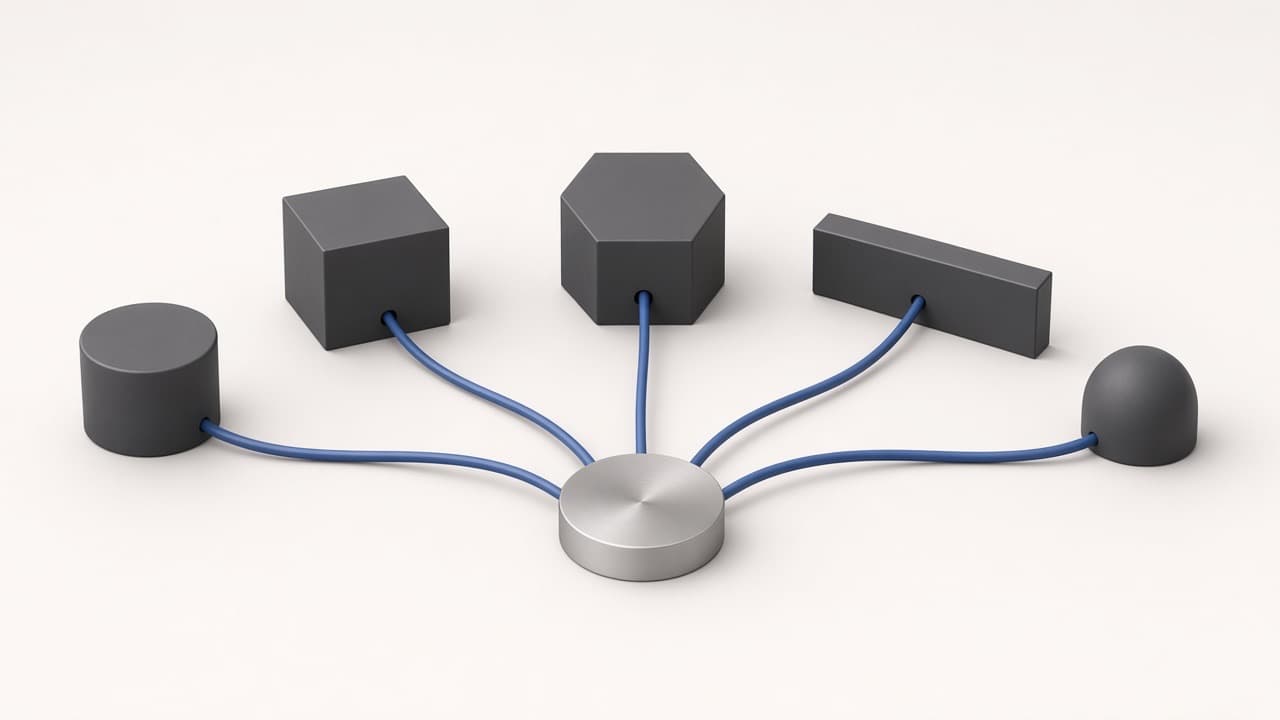
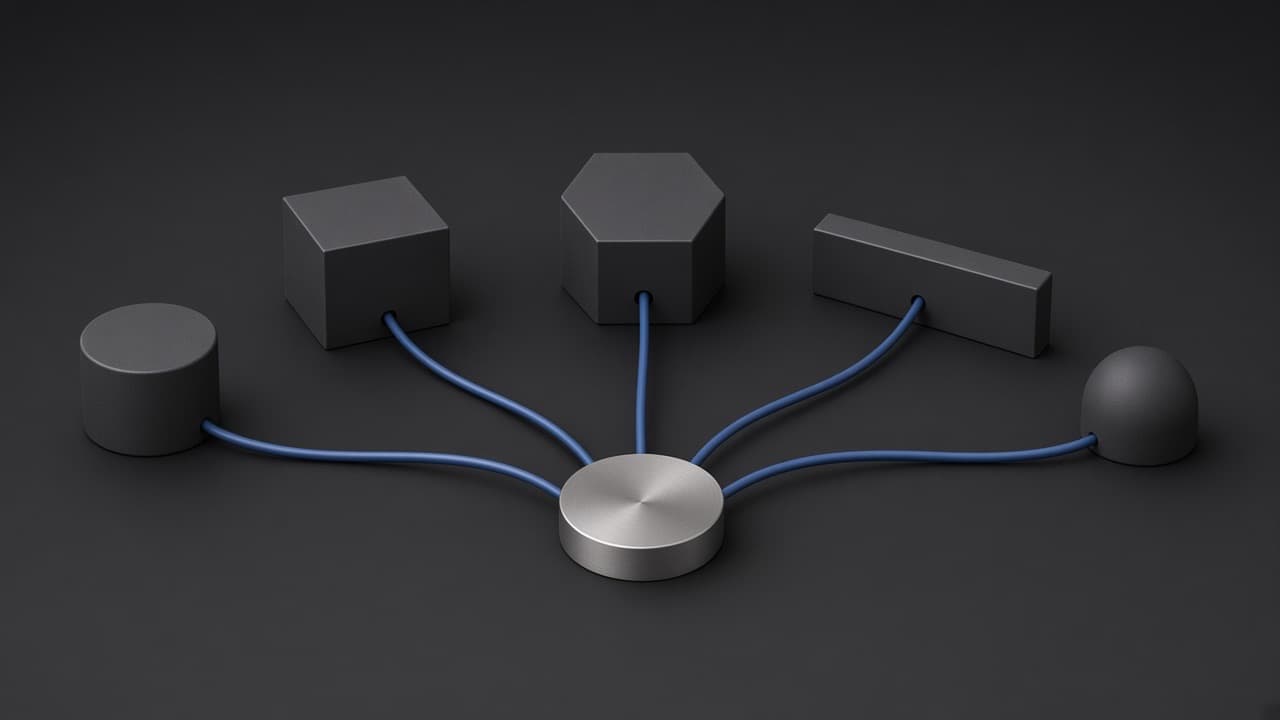
- Your assistants. Claude, Codex, Cursor and other agents that speak MCP connect directly. MCP, the Model Context Protocol, is the open standard for giving AI agents tools, so an agent that speaks it can reach MS Duplex. Your scientists and engineers keep the AI they know.
- Your own agents and pipelines. The research agents and workflows your team has built connect through the MS Duplex API and Python SDK, with the same learning behind every one.
The same experience sits behind every connection. Say one scientist or engineer works in Cursor, a colleague works in Claude, and the platform team runs a recurring screening pipeline through the Python SDK. A correction the first person makes in her assistant is there for the colleague’s agent and for the pipeline, as far as your rules allow, and a result the pipeline confirms is there for both assistants. Which agent did the work matters less than what the work confirmed.
Your agents keep reaching your simulators, analysis code, databases and instruments through their own connections, and connecting MS Duplex leaves those connections as they are. MS Duplex learns from how each tool performed on each kind of problem and brings that experience to the next choice of tool, setting or method.
Standard or governed connection
Each agent connects in one of two ways. The difference is how much of its work passes through MS Duplex before it happens.
Standard connection
Your agent calls MS Duplex to bring back relevant experience, follow the plan and record the outcomes you allow. It is the fastest way to start. The agent draws on what your team has confirmed, your rules and preferences are visible in its reasoning, and the outcomes you choose to capture become experience for the next run.
Governed connection
In supported environments with hooks, the steps you select pass through MS Duplex, so your rules apply before a costly simulation or run begins. There, a step that breaks a rule is stopped before it runs, and the steps you mark for approval, such as an expensive simulation or a change to shared data, wait for a person. Each approval goes on record with who approved what.
A sensible default is to start with a standard connection and add a governed one where a wrong step is expensive. A team whose agent mostly reviews analyses may be well served by the standard connection. A team whose agent launches costly runs on a shared budget, or edits data others rely on, is the case the governed connection was made for. Both can run in one organization, and a pilot uses the governed connection where it fits.
Decisions to make before you connect
Connecting is mostly a matter of choices, and the choices are about your research more than about software. Settle these with the people who will use it.
- Choose the workPick recurring workflows where decisions repeat and a wrong or unnecessary run is expensive, such as recommending settings for the next run, ranking candidates, planning runs or reviewing analyses. These are where a lesson gets reused most.
- Choose the agentsDecide which assistants and pipelines connect for that work, and which people use them. Different groups can use different AI, all drawing on the same experience.
- Choose the connectionA standard connection for most agents to begin with, and a governed one, in supported environments, for the agents whose steps you want checked before they run.
- Decide what counts as confirmedMS Duplex learns from the outcomes and corrections you choose to capture. Agree which ones those are: a passed test, a measurement, an approved conclusion, an expert’s correction with its reason.
- Set rules, preferences and approvalsRecord what your team requires apart from what it would rather do, and select the steps that wait for a person. A rule added later applies from the next request, with nothing to retrain.
- Agree the setup with your security teamWhere MS Duplex runs and how your data is handled are agreed with your security and data owners from the first conversation.
What your team does differently: very little
After connecting, your scientists and engineers keep working in the assistant they already use, with the same models and the same tools. They plan, run, analyze and propose the next step as they did before. Most of what changes happens beside them, in what the AI brings to each request.
A few habits make the difference, and each is a small extension of what careful research teams already do:
- Confirm results where the confirmation counts. A passed test, a measurement or an approved conclusion becomes experience the next run starts from.
- Correct the agent with a reason. A correction that says why is kept with that reason and the conditions it applies under, so it reaches the next matching case.
- Look at what was learned from time to time. Every lesson keeps its source, and anyone on the team can inspect it, correct it, remove it or restore it.
What the team notices is mostly what stops happening. A new session starts from the current state of the work: the goal, the decisions, the approved methods and the progress, so nobody restates the project to the AI. A colleague’s agent, on a different model, picks up where yours left off. What worked becomes the first thing the agents try, and what failed stops being proposed. An expert’s correction is learned once and applied wherever it fits, so experts stop repeating themselves.
Say a team connects its assistants and one screening pipeline. Early on, an expert corrects the agent’s ranking because a scoring method fails beyond a known operating limit, and records why. In the next session, the agent checks that limit before it ranks. When the pipeline meets a related case, MS Duplex brings back the correction with its source and shows which condition differs. Nobody changed how they work. The agents changed what they check.
What stays yours
Plugging a learning layer into your AI raises a fair question about ownership. The answer covers three things.
- Your models. MS Duplex learns beside the model, with its weights left as they are. Change the model, the client or the vendor, and the experience your team built stays with your team. Use one model for hard analyses and another for recurring work, both drawing on the same experience.
- Your tools. Your simulators, analysis code, databases and instruments stay as they are, reached by your agents through their own connections and used more effectively as MS Duplex learns what each one is good for.
- Your data and your experience. Confirmed results, corrections, decisions, methods and plans accumulate in a store your organization owns. Personal, team and organization layers decide who sees what, people and agents reach only what their scope allows, and none of it is shared with another company.
Every item keeps its source, in a signed history of what was learned, used and approved that your team can review and export. Another researcher can rebuild a decision from that record, and any single lesson can be corrected or removed while everything else stays as it was.
Common questions
Do our scientists and engineers have to switch AI tools?
No. Claude, Codex, Cursor and other agents that speak MCP connect directly, and your own agents and pipelines connect through the API and Python SDK. Your scientists and engineers keep the AI they already use.
What is the difference between a standard and a governed connection?
With a standard connection, your agent calls MS Duplex to bring back relevant experience, follow the plan and record the outcomes you allow. With a governed connection, in supported environments with hooks, the steps you select pass through MS Duplex, so a step that breaks a rule is stopped before it runs and the steps you mark wait for approval.
Does MS Duplex learn from everything our agents do?
It learns from the outcomes and expert corrections your team chooses to capture. Each lesson keeps its source and the conditions it holds under, and your team can correct or remove any one of them on its own.
Can we connect more than one model?
Yes. Your team can use more than one model and agent at a time, all drawing on the same experience, and what one confirms is there for the others under your rules. When the model changes, the experience comes along.


Built by MatterSpace
MatterSpace builds MS Duplex for scientists, researchers and engineers in every field, so the AI they already use learns from every result they confirm.