Research teams change models often. A new release reasons better through hard analyses, another model handles recurring work at a lower cost, a group moves from one assistant to another. Each change brings something useful, and each one puts at risk what the team taught the model it is leaving.
That teaching is easy to underestimate because it builds up quietly: a correction an expert made on a Monday, a method two reviewers approved, an operating limit confirmed over a series of runs. This post is about where that experience should live, what happens on the day a team switches, and how to keep what you built as your own.
What your team builds with its AI
Every session with a research agent produces more than an answer. Some of what it produces is worth keeping, because it took expert time, compute or lab time to establish. In MS Duplex, this is what builds up as your team works:
- Results the team confirmed, each with the conditions it holds under
- Corrections from your experts, each with the reason behind it
- Decisions, with the evidence they rested on
- Methods the team verified, which agents reuse and adapt
- Plans, checkpoints and progress on long campaigns
- Which tools worked for which kind of problem
In most setups, almost all of that disappears when a session ends. The transcript may be saved somewhere, but the next session does not start from it, and the next model has not seen it. In MS Duplex it accumulates into an asset your organization owns, with each item kept beside its source, ready for whichever session, agent or model picks up the work next.
Why the experience should sit beside the model
Teams keep what they have taught their AI in a few common places, and each has its uses. Fine-tuning builds knowledge into one model’s weights through a training run on a prepared dataset. It is a good fit for changing what a model knows across the board. The knowledge it adds belongs to that model, though, and when the next release arrives, the work has to be done again for it.
Instruction files and prompt libraries travel more easily, and many teams keep one for each tool they use. They hold what someone wrote down, they tend to grow with every model the team adopts, and somebody has to keep each copy in step with the research.
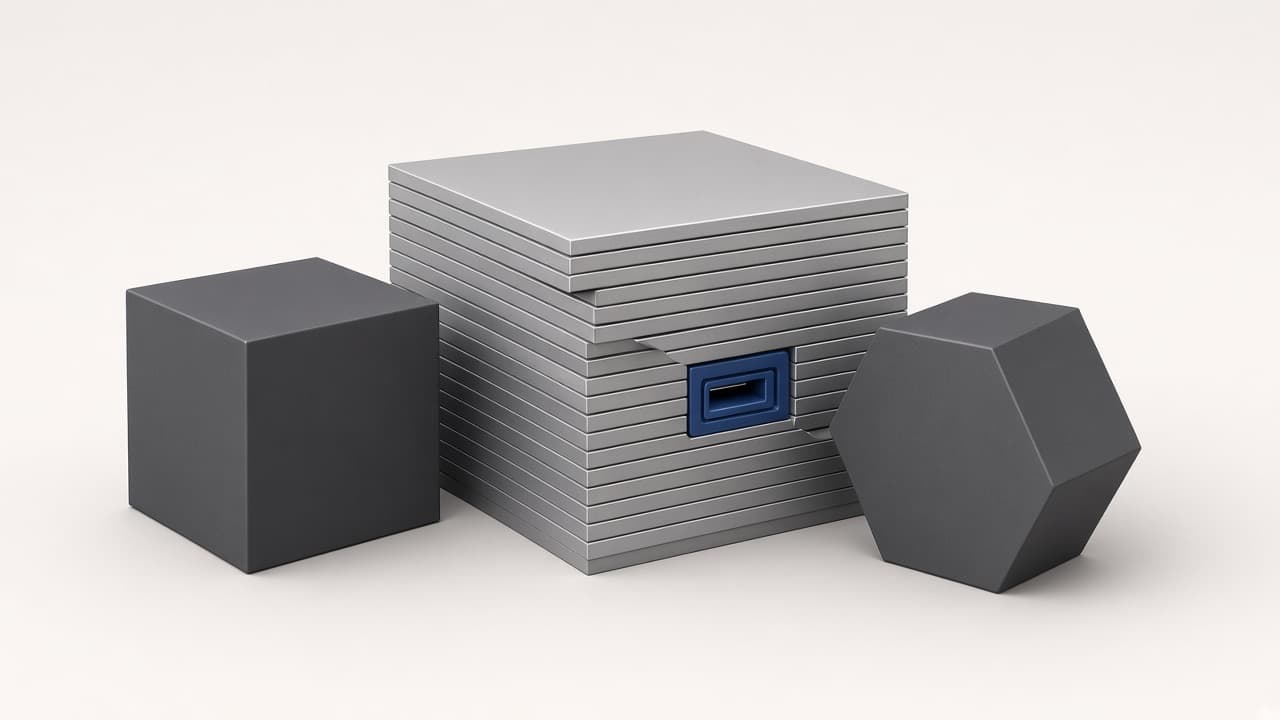
MS Duplex keeps the experience beside the model, with the model’s weights left as they are. A confirmed result or an expert correction is learned once, kept with its evidence and its conditions, and offered to whichever model the team is using. Changing the model changes what reasons over the experience. The experience itself stays where it was.
That separation matters most when a team is weighing an upgrade. When the experience is tied to one model, a team has a reason to stay on it after a better one arrives, because moving would cost what it took to build. When the experience lives beside the model, a team can judge a new release on its merits for the work in front of it.
What happens on the day you switch
Say a team’s agent has been planning runs and reviewing analyses on a long project. Experts have corrected it several times, the team has approved two methods, and the plan has reached its third checkpoint. A new model arrives that the team wants for its hardest analyses. The switch goes like this.
- The team changes the modelThe agent moves to the new model, or the team moves to another assistant: Claude, Codex, Cursor, another agent that speaks MCP, or its own agent built on the API and Python SDK. The experience in MS Duplex is untouched by the change.
- The first request draws on what the team builtThe new model’s first request already has the corrections, the confirmed results and the approved methods within reach, each with its source.
- The plan picks up at its checkpointThe goal, the decisions made so far and the progress carry over, so the agent continues from the third checkpoint and nobody restates the project.
- Methods are checked where they are usedThe new model applies the approved methods too, and each one is re-verified where it is used. Where a case differs from the conditions a lesson was confirmed under, MS Duplex says so.
- New results join the same experienceWhat the team confirms while working with the new model is kept with its source, beside everything that came before, ready for any model the team uses next.
There is nothing to retrain for the new model, because the team’s experience lives in MS Duplex, beside the model. The work the team does on the day of the switch is choosing the model. The experience comes along, with every source on record.
The right model for each task
Freedom to switch also means freedom to use more than one model at a time. Tasks differ. One model may reason best through a difficult analysis, another may suit recurring work at a lower cost, and a team should be free to use both on the same project.
When the experience sits in MS Duplex, every model draws on the same pool. One sensible way to split the work:
- Recurring decisions, such as recommending settings for the next run or ranking candidates against agreed criteria, on a model chosen for cost
- Hard analyses and unfamiliar cases on the model your team trusts most for careful reasoning
- Reviews of analyses and designs in whichever assistant your reviewers prefer
- Your own agents and pipelines, through the API and Python SDK, each on the model that fits its job
What either model confirms is there for the other. A correction an expert makes while reviewing with one model applies when the other model meets a matching case. A method verified during hard analyses becomes available for recurring work, re-verified where it is used.
Colleagues gain the same freedom. The agents you authorize pick up the same experience, so a researcher who prefers a different assistant starts where the rest of the team left off, and a colleague’s agent can take over work that yours began.
Keeping what you built as your own
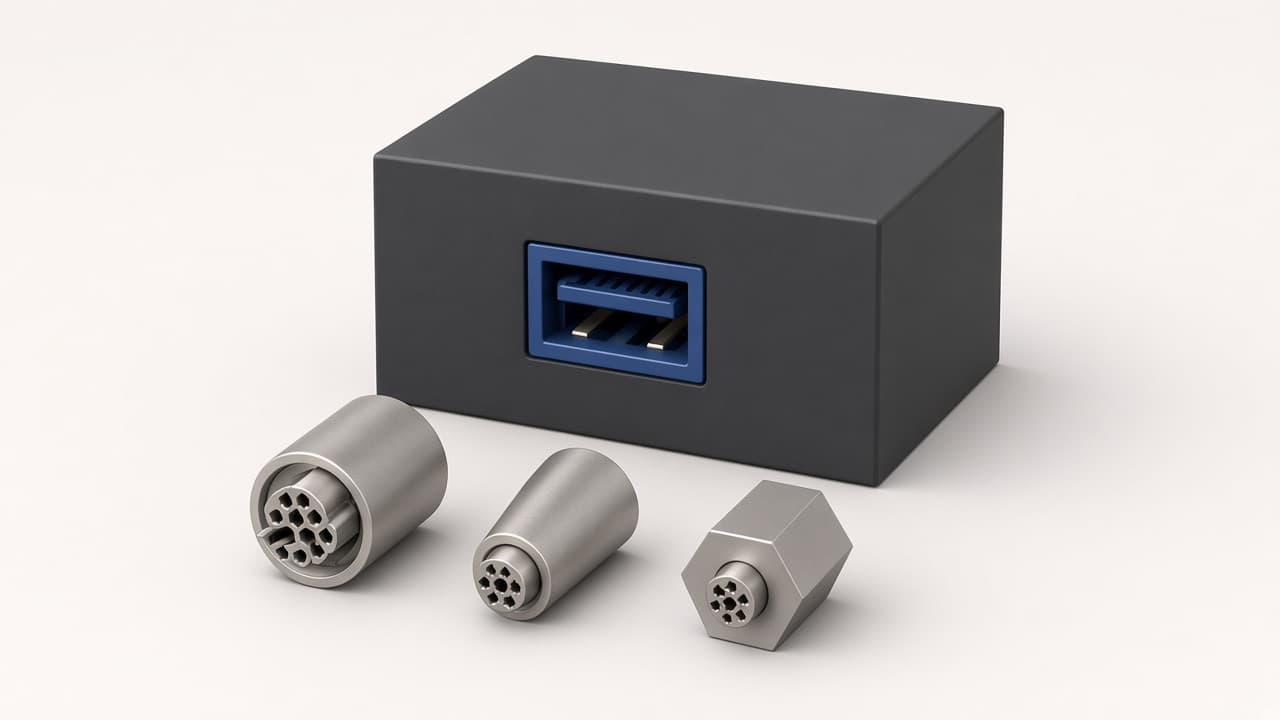
The experience a team builds with MS Duplex belongs to its organization, whichever model or vendor it uses. It sits in a store your organization owns, and your rules decide which people and agents can reach it. People and agents see only what their scope allows, and permissions stay with your controls.
It stays organized the way your organization is. Each researcher, each team and the organization has its own layer: a scientist’s or engineer’s working habits stay personal, what a team confirms is shared with that team, and what the organization adopts as standard applies everywhere. Your rules decide what moves between layers, and none of it is shared with another company. Switching models leaves all of that as it was.
It also stays checkable. Every item keeps its source, so when a new model makes a recommendation, your team can see which lessons it relied on and where each came from. The history of what was learned, used and approved is signed and ready to export. If a lesson turns out to be wrong, your team corrects or removes that one lesson, and the change holds for every model the team uses.
Common questions
What does a new model start with?
Everything your team has built in MS Duplex: confirmed results with their conditions, expert corrections with their reasons, decisions with their evidence, verified methods, plans and progress, and what the team learned about its tools. Every item keeps its source.
Which assistants and agents can we move between?
Claude, Codex, Cursor and other agents that speak MCP connect directly, and your own agents and pipelines connect through the API and Python SDK. Your team can use several at once, all drawing on the same experience.
Does MS Duplex work beside a fine-tuned model?
Yes. It works beside a fine-tuned model as well as a general one, and makes either learn from your work. If your team fine-tunes a model for a task, the experience in MS Duplex is there for it and for the next release.
Who owns the experience our team builds?
Your organization does, whichever model or vendor you use. Your rules decide which people and agents can reach it, and the signed history of what was learned, used and approved can be exported.


Built by MatterSpace
MatterSpace builds MS Duplex for scientists, researchers and engineers in every field, so the AI they already use learns from every result they confirm.